
A continuing series of elephant photographs. That beautiful evening light. Eye level with Thembi in the Okavango Delta, Botswana.
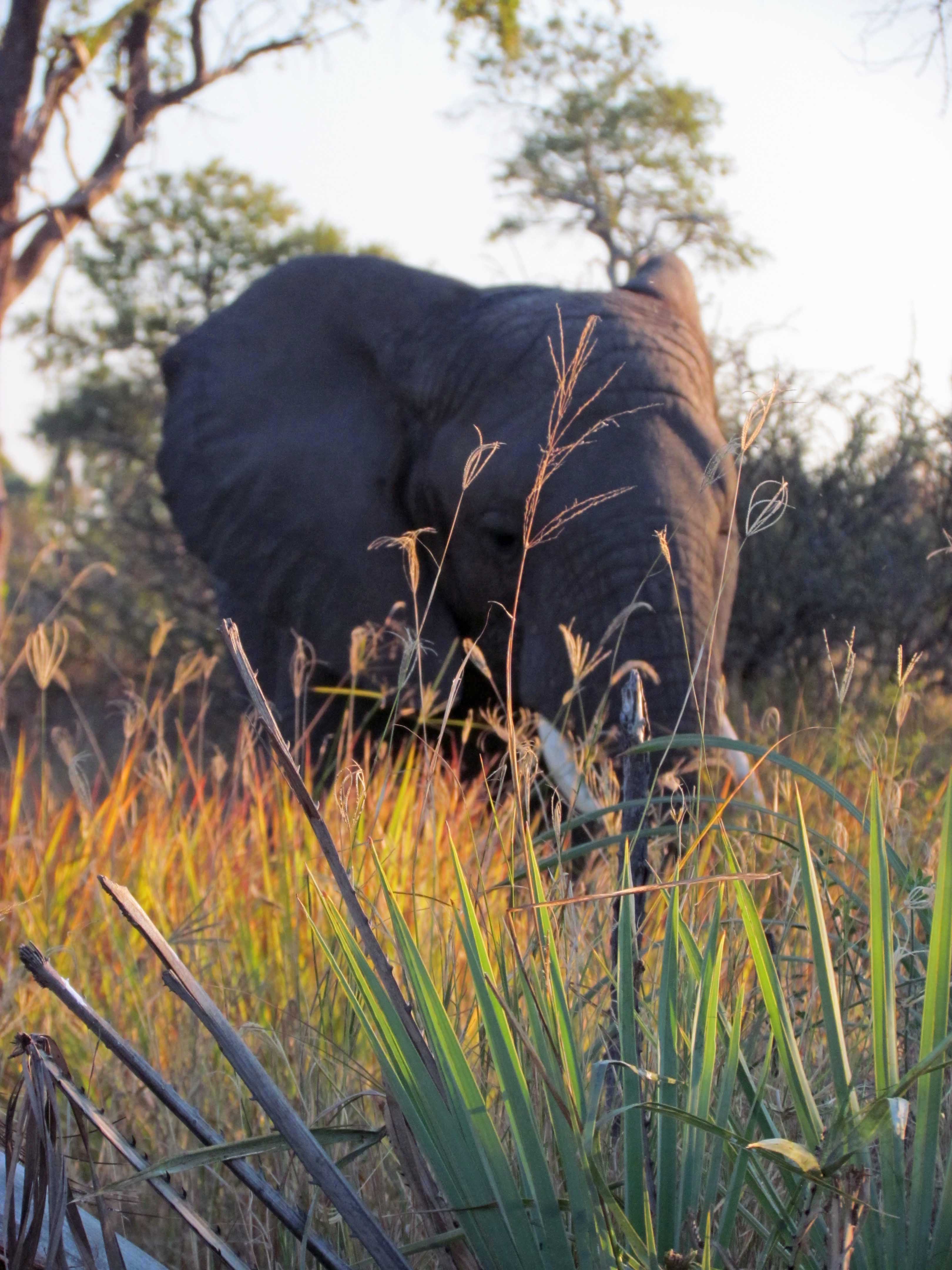
A continuing series of elephant photographs. That beautiful evening light. Eye level with Thembi in the Okavango Delta, Botswana.
A continuing series of elephant photographs. Ear hair. Yep, just like all men (and some women). Grows longer with age, too. Okavango Delta, Botswana.

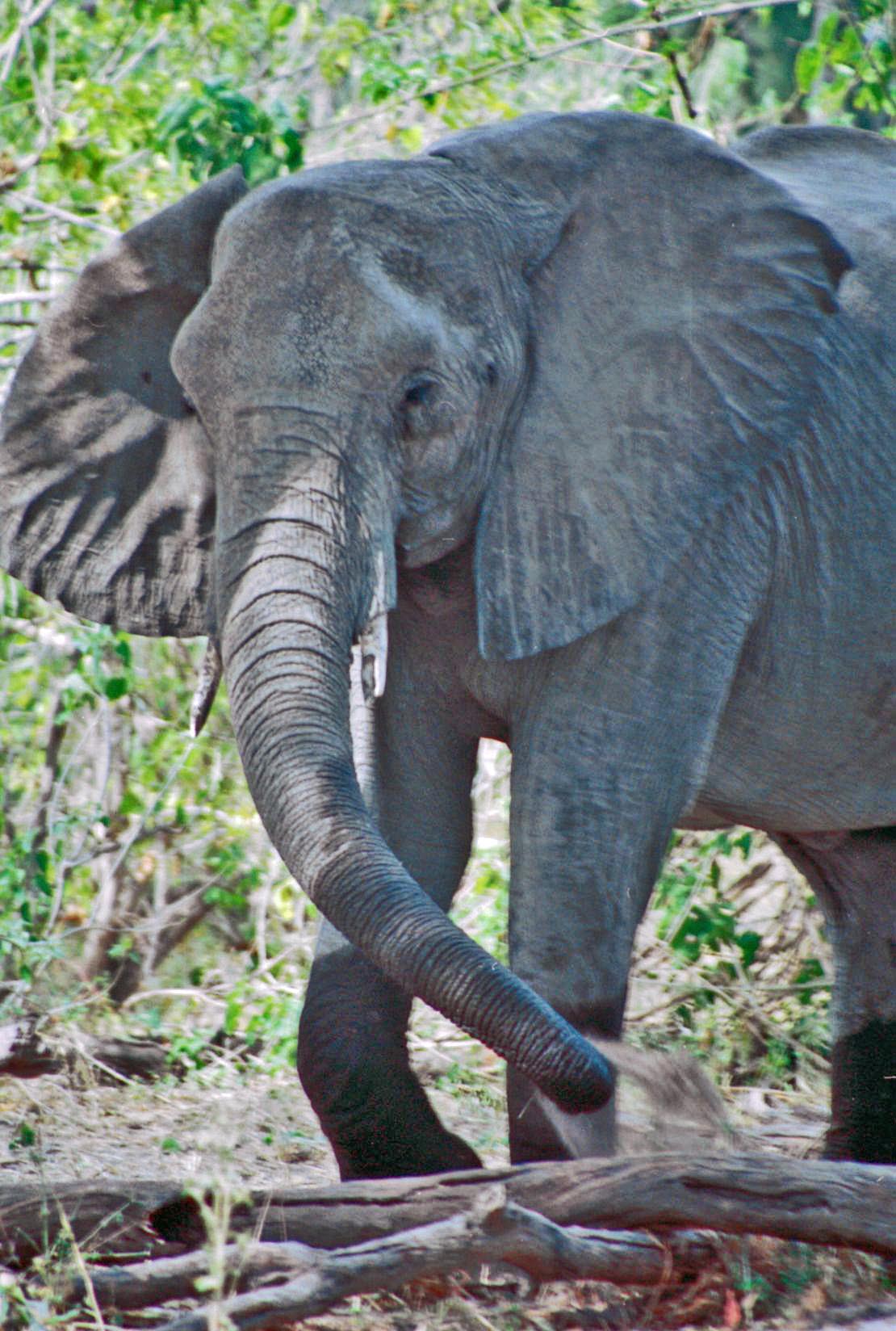
A continuing series of photographs. About to fling some dust. Moremi Game Reserve, Botswana.
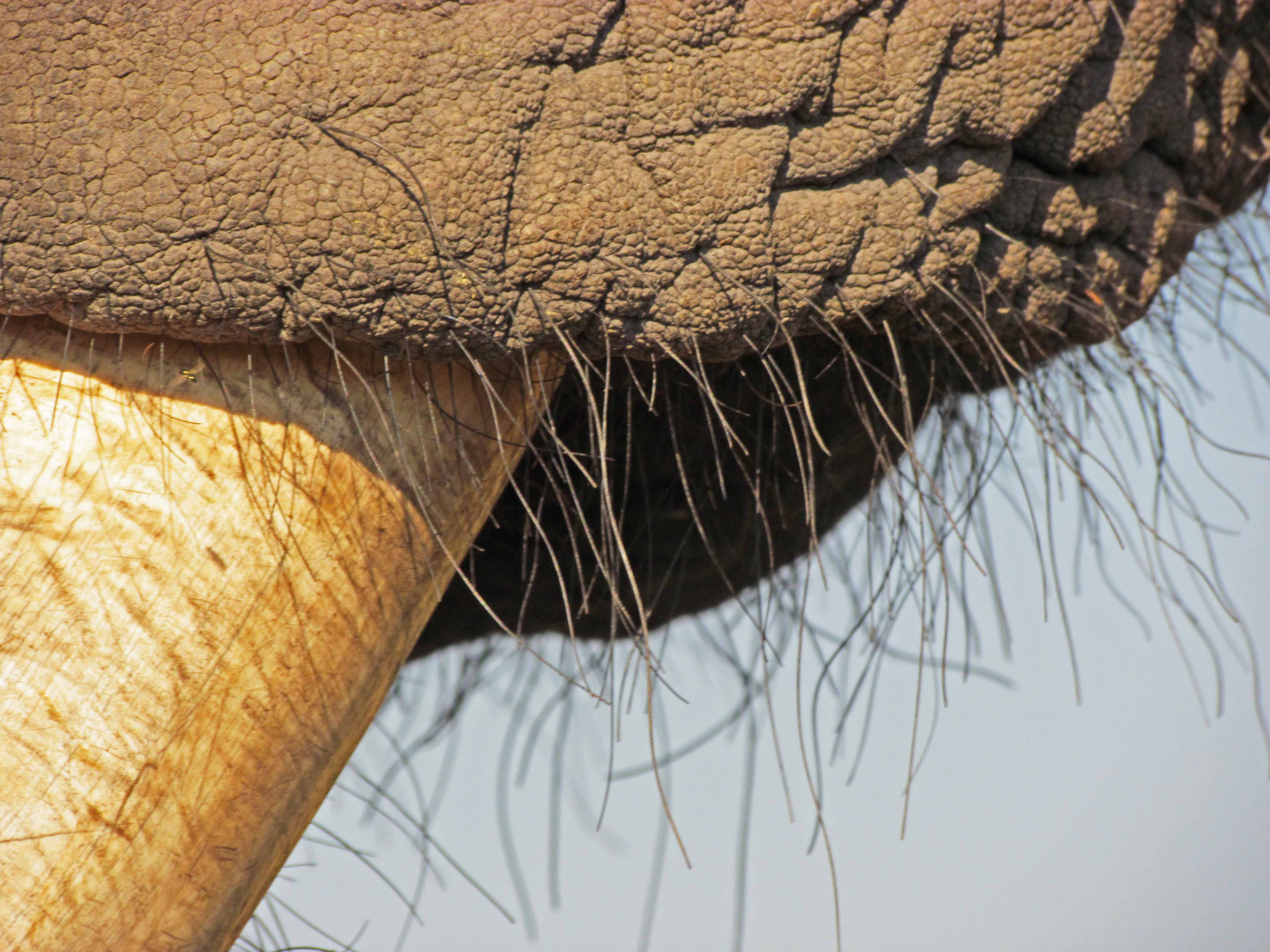
A continuing photographic series. Did you know elephants have beards? Okavango Delta, Botswana.
A continuing photographic series. Diamond on her forehead. Quite the princess. Moremi Game Reserve, Botswana.
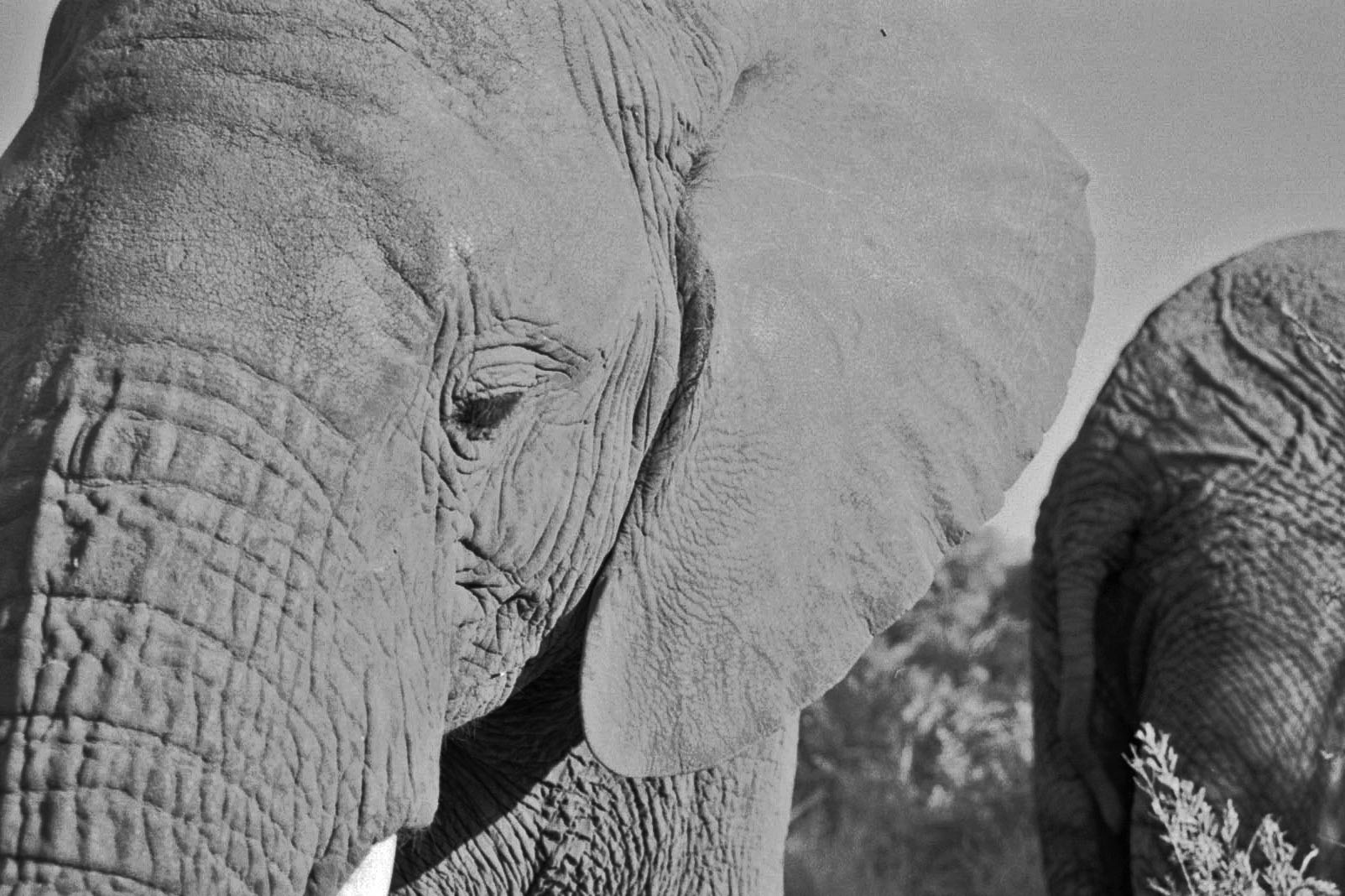
Matriarch, Zimbabwe.

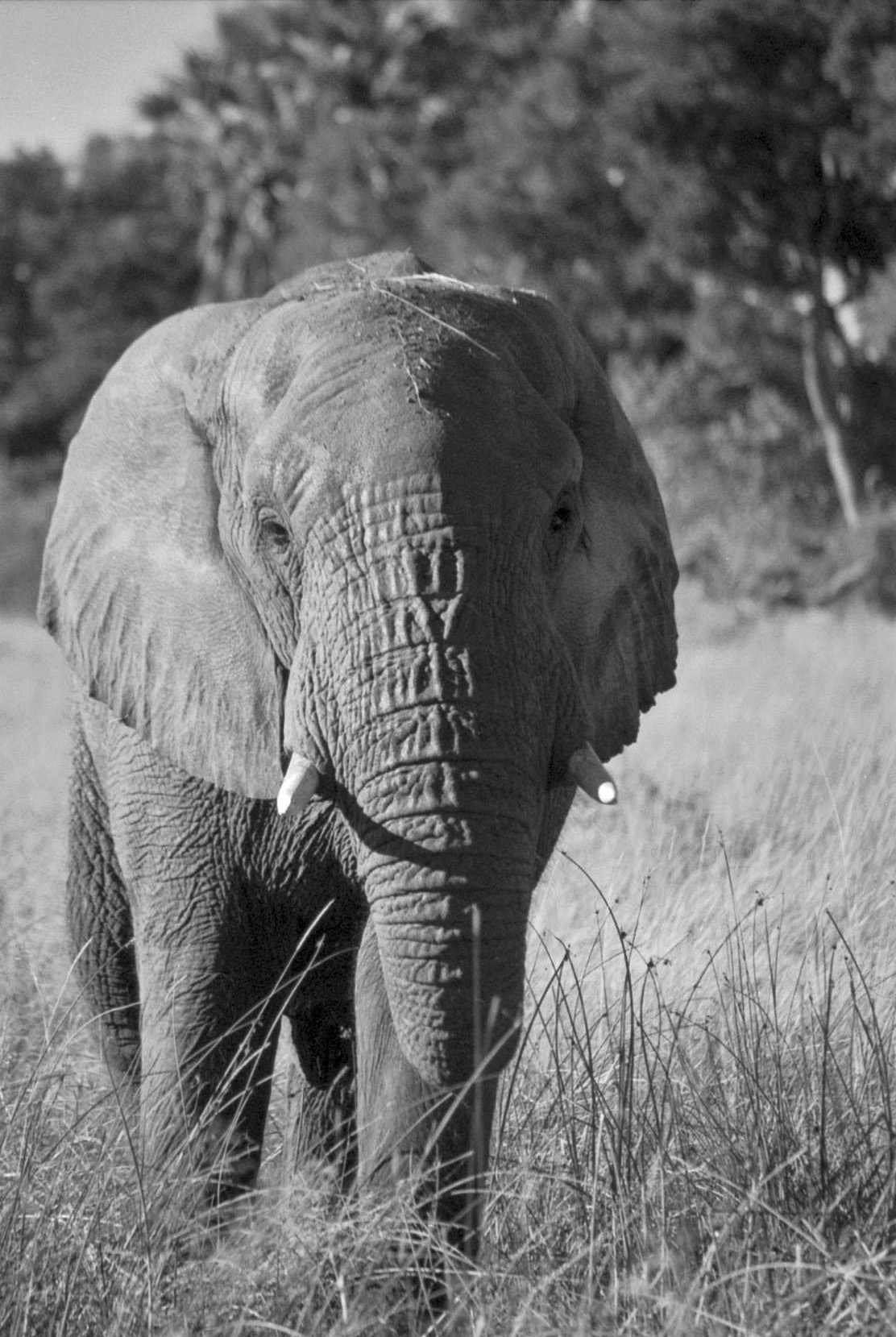
Heart shapes can be found in nature, if you’re lucky enough to spy one. There’s a heart on this elephant’s trunk, a ridge of skin that feels like fine shoe leather. One of his wrinkles pierces the lower third of this heart shape, from left to right, straight as an arrow. His real heart hangs between his breastbone and ribs, a little to the left, just like mine does. But instead of having a heart with a single point, an elephant’s heart has two points at its apex – so it’s the wrinkled outline of a human heart that he carries on his trunk.
The human heart is approximately five inches long, three-and-a-half inches wide and shaped like a pulsing cone. It is the only muscle in my body that acts on its own – my heartbeat doesn’t need any messages from my brain. The cells in my heart tissue involuntarily constrict, all together, all at once, over and over, a soft perpetual-motion machine. Rip my heart from my body, chop it into pieces, immerse the pieces in a saline solution, and then give them a small jolt of electricity. The remnants of my cardiac muscle will contract . . . contract . . . contract – all on their own, sometimes for hours.
It’s designed to be strong, my heart.
In mammals, birds, and reptiles the heart has the same basic pump-like design, a design that has worked through eons – even cold-blooded dinosaurs had hearts. A day or two after fertilization, embryos develop a pinpoint that pales, then brightens, pales, then brightens, the beginnings of a tiny pump practicing emptying, filling, emptying, refilling. An old, old pattern. The master timepiece.
There are four chambers in my heart: two auricles (“little ears”) and two ventricles (“little bellies”) – named by anatomists for the external parts of the body they resemble. Spent, dark-red blood is collected in the right auricle, then dropped into the right ventricle, which constricts and pumps it out to the lungs to pick up oxygen. Bright red again, full of oxygen, blood circulates back to the left auricle and from there drops into the left ventricle. In the next twitch blood is delivered to every corner of my body.
The “little ears,” the auricles, make very little sound as they drain blood into the lower chambers of my heart, a distance of an inch or so. It’s the ventricles, the “little bellies,” that boom as each contraction forces open heart valves and blood gushes up the aorta under pressure. Lupp DUPP. Lupp DUPP. Lupp DUPP. One beat smaller, one beat larger, flush after flush.
My right ventricle has walls thin as paper – it delivers blood only as far as the lungs. If I could hold it up to the light I could see right through it. The left side of my heart is the heavyweight lifter, pumping blood all the way to my toes, moving 150,000 tons of blood in my lifetime.
We each have roughly one billion heartbeats for our lives. Mouse, hummingbird, elephant, human, all the same. Like us, elephants suffer cardiovascular disease, die of heart attacks and strokes.
Cardiac arrest: when the heart shudders and stops, when the light in the eyes flickers, fades and snuffs.
And when the heart quits beating, its resonance
Lupp DUPP Lupp DUPP Lupp DUPP
is gone. The gurgle of digestion, all the silky, sturdy, slapping noises, the blood rush, gone. The symphony of the body is finished.
For those of us left, that silence is almost too much to bear.

Day moon, night moon, moon moon. Day moon a pale button; night moon a lantern; moon moon a nursery rhyme, a fat, simple face in a blue, blue sky.
Moon so bright not even clouds can hide its face. Veiled, unveiled, moon climbing rungs on a ladder of clouds.
A punctuation point in an immense sky behind a flowing river of clouds.
An opalescent moon, rich with the memory of hot gases, bone-crushing weights, and stories of when the universe was new.
Moon stares through rippling clouds, stares with careful attention upon the earth.
A continuing photographic series. In your face. (But she was really just getting a good sniff at us.) Chobe National Park, Botswana.

A continuing series of photographs. I’m often asked, “how close do you get to elephants?” Well, sometimes this close. That’s my seat-mate’s hand in the lower corner. This is the Chobe River area of Chobe National Park, Botswana. Lovely grasses and rushes for the elephants to eat.

 ABOUT ELEPHANTS
