Posted in Africa, Elephants, Nature, Photography, Travel

The Elephant in Her Backyard, Part One

For several months of each year Keikagile (Kee-ka-HEE-lay) has elephants in her backyard. Entire herds of elephants. Lions, zebras, crocodiles, hippos, hyenas, and other wild denizens of Africa surround her home. But it’s the elephants she most fears, for they can destroy her entire farm in just one night.
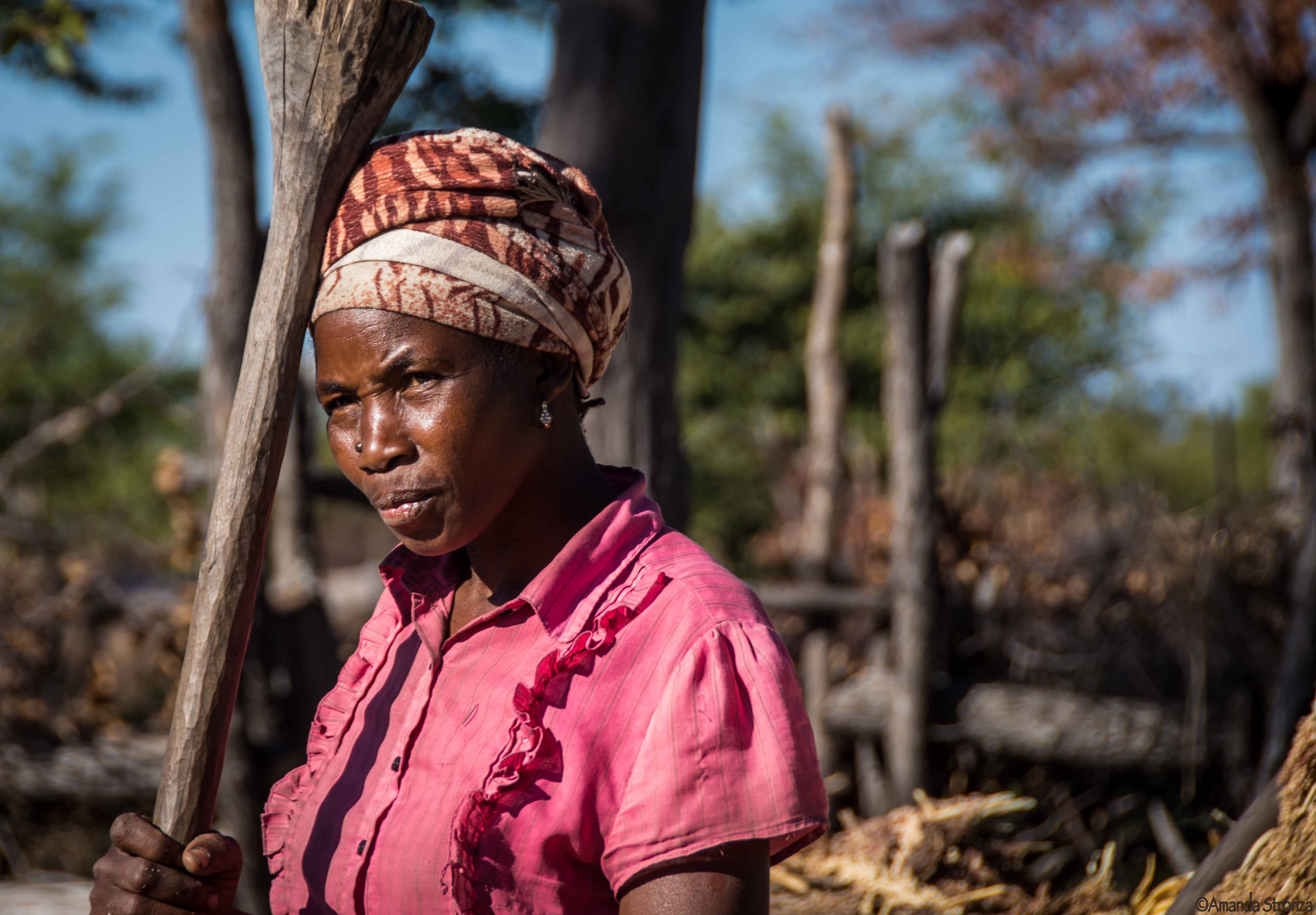
 

Photograph by Dr. Amanda Stronza

Keikagile lives in the Okavango Delta of northern Botswana, in an area of roughly 3,500 square miles (9,000 km2) where 15,000 elephants roam freely and 15,000 people plant fields, herd livestock, and walk to and from school. Between April and June, elephants move southward from drying pans near Namibia to the permanent waters found in the Delta. And as they follow their ancient migration routes, the herds often stop to forage in the fields planted closest to those paths. When seasonal rains return in November, the elephants return north along the same routes.

Photograph by Dr. Amanda Stronza

Keikagile’s fields are less than a mile (1.2 km) from one of the largest and most frequently used elephant pathways. Her farm is twice as likely to be raided as those further away, a risk that could happen twice a year, as the elephants migrate to and from the waters of the Delta. (Note the man in the background of this photograph and the power lines.)

Keikagile’s crops are mostly pearl millet, maize (corn) and Bambara ground nuts. Pearl millet has been grown in Africa since prehistoric times. It has a slightly nutty taste, can be cooked like brown rice and ground into flour for flatbreads. It’s high in antioxidants and magnesium. Dried ground maize can be cooked into porridge or a dish called bogobe, made by putting sorghum, maize or millet flour into boiling water, stirring the mixture into a soft paste, and then cooking it slowly. Sometimes the sorghum or maize is fermented, and milk and sugar added. Bambara ground nuts ripen, like peanuts, below ground. They are high in protein (an important food source for people who cannot afford animal protein) and can be eaten roasted, salted or boiled, similar to beans. Most importantly, the plant improves the soil with nitrogen fixation.

Pearl millet grows well in soils with high salinity and is a highly drought-tolerant crop. The Bambara ground nut grows best in sandy soils and is resistant to high temperatures. Maize, the most difficult to grow in a semi-arid climate, is preferred by farmers. The three plants can be grown together, mixed into the same space, in a practice called intercropping, which maximizes space and creates biodiversity.


Pearl Millet
Pearl Millet

As a subsistence farmer and a single mother, Keikagile feeds and provides for her three children. In the past, the yields from her fields were barely enough to support her family. And the threat of catastrophic damage to her livelihood by elephants is an annual worry for her.

EcoExist (Ecoexist) hopes to change that. Partnering with local farmers, EcoExist (EcoExist Facebook)is a five-year program aimed at reducing human/elephant conflicts in the Okavango Delta. Read about the dual efforts of Keikagile and EcoExist in Part Two, The Elephant in Her Backyard.
Posted in Africa, Elephants, Nature, Photography

The Oldest Human Footprints in the World

An excerpt from my book in progress:

Morula

After Morula finishes browsing, I follow her down one of the unmapped, two-track, lightly traveled, nameless roads of the Okavango Delta.

Zik! Zik! Zik-zik! A masked weaver hops through the brush beside us. White clouds above our heads twirl like cotton candy across the sky. The track we’re following parts a shallow lake of grass and climbs out on an island of trees. A game trail crosses the road. Morula swivels her trunk to one side, then the other, at the intersection where the grass is beaten down.

In dun-colored sand as finely ground as cake flour, Morula’s prints barely register. I can’t see a single puff from the impact of her feet. With each step, she leaves behind outlines of small moons. We cross the recent, delicate hoof prints of impala and the moons obliterate them.

photo by Cheryl Merrill

My boot prints, inside the crater of her footprints, look like exclamation points, the heel separate from the rest of my sole.

The oldest human footprints in the world are 1500 miles north of here, at Laetoli, in Tanzania. Found in 1976, the 3.5 million-year-old footprints are not far from the Olduvai Gorge, where the Leakey family discovered the first hominids. Although the Laetoli hominids are Australopithecines and not Homo sapiens, they are part of our family tree, a relationship comparable to that of mammoths and elephants.

Fossil footprints are not uncommon, especially near ancient riverbeds. But the Laetoli footprints were created when a nearby volcano erupted, covering the ground with a slurry of volcanic ash somewhat the consistency of concrete. Once excavated, the site was found to have over 9,500 impressions, mostly made by rabbits. In order of decreasing abundance, tracks were also found of guinea fowl, hyena, antelope, rhinoceros, giraffe, buffalo, elephant, horse, small carnivores, monkeys, pigs and ostriches. Just one short, 80-foot section was made by hominids.

Their footprints – that of a man, a woman and a small child – tell us much about our ancestry. For in that trackway is a hesitation, as if one of the hominids thought about turning left. Perhaps it was the moment before an earthquake, when the ground was no longer solid beneath their feet. Or perhaps one of them considered turning around, going back.

I stop and look over my shoulder, in the same way my human ancestor did. All of Africa stretches out behind me – overlapped boot prints and footprints leading backward into her hot, crowded maze of life. It was Africa who designed us to walk upright across her landscapes. Because of Africa, I know the ground better than I know trees.

In the distance, across a golden backwater of high grass, stand a family of giraffes. They are motionless, watching us cross between islands of bush. The spotted derricks of their necks swivel in all directions to get a better look at us. At the end of each neck a head is cocked sideways: the universal body language that says, “Huh?” But once we stop to look, they turn away and head for cover, except for one curious female who continues to watch us.

photo by Cheryl Merrill

Tramping along in Morula’s wake, I’m beginning to get the hang of all this walking and browsing – less sweating, less reliance on my water bottle.   I’m beginning to wish I could do this every day of my life.


Posted in Africa, Elephants, Nature, Photography

Year of the Elephant: Swamp Lessons

A baby elephant crosses a small swamp, guided by Mom.  And of course she got a chance to stop and play in it, too.  A beautiful afternoon in Zambia, 2012.

Baby ellie swamp

Posted in Africa, Elephants, Nature, Photography

Let Freedom Ring

Free to Roam
Free to Roam

“For the animal shall not be measured by man. In a world older and more complete than ours they move finished and complete, gifted with extensions of the senses we have lost or never attained, living by voices we shall never hear. They are not brethren, they are not underlings; they are other nations caught with ourselves in the net of life and time, fellow prisoners of the splendor and travail of the earth.” – Henry Beston

And should we not, therefore, allow our fellow prisoners the freedoms to which our nation, our populace aspires?  Life.  Liberty.  The pursuit of Happiness – which I interpret as a life well lived.

Posted in Africa, Elephants, Nature, Photography, Travel

Year of the Elephant: Vegetarians

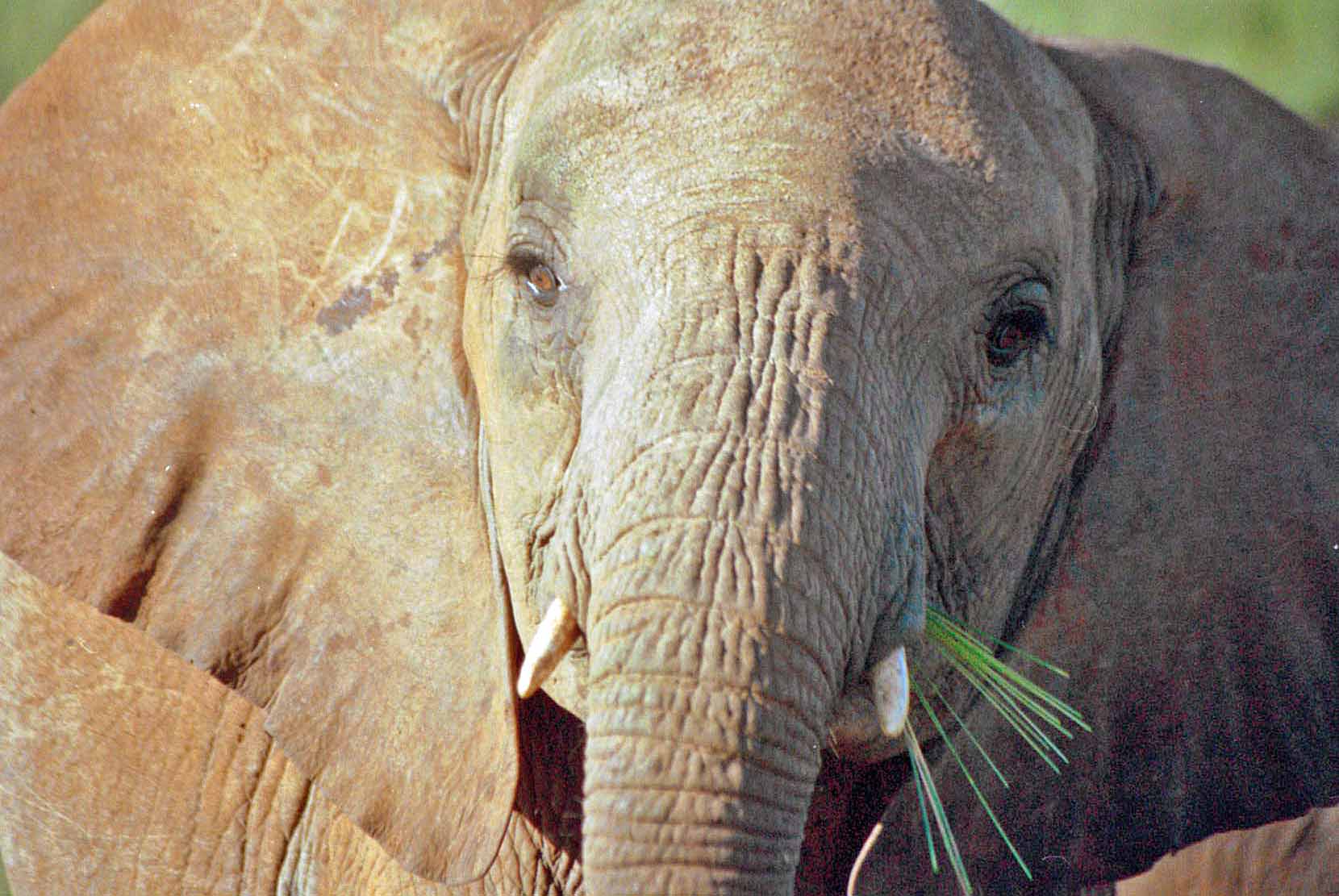
Cow elephant, Samburu, Kenya

It takes a lot of foliage to sustain an elephant.  Depending on its sex and size, elephants eat four to seven percent of its body weight each day – four hundred to six hundred pounds of vegetation.  And sometimes they take offense if you disturb their meal.

(Currently, the Samburu area of Kenya is experiencing its highest level of poaching in 14 years.  I hope this young cow has survived.)

Posted in Africa, Elephants, Extinction, Nature, Photography

Year of the Elephant: Camouflage

Year of the Elephant continues a series on the lives of elephants in today’s world.

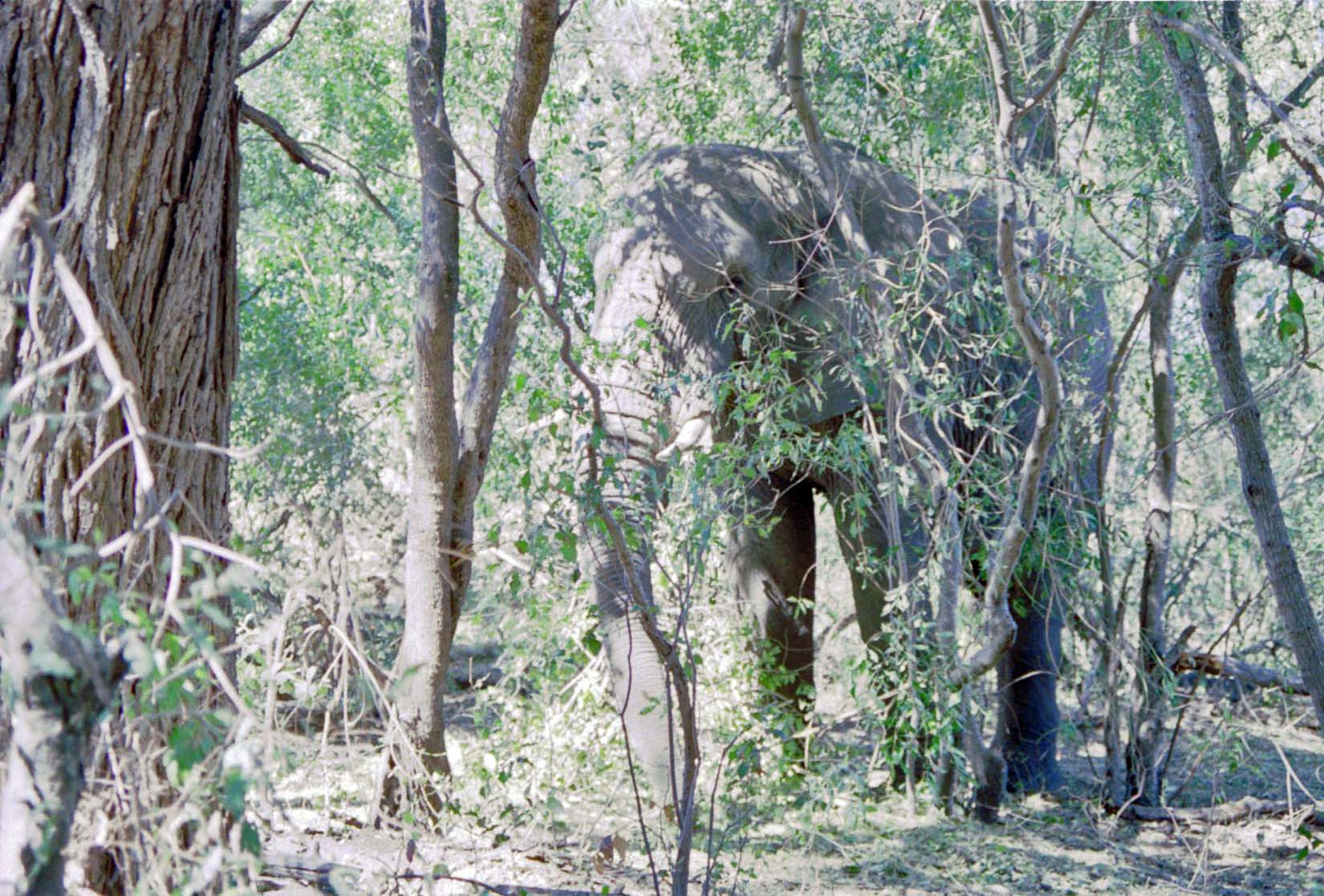
Jabu in the trees 2

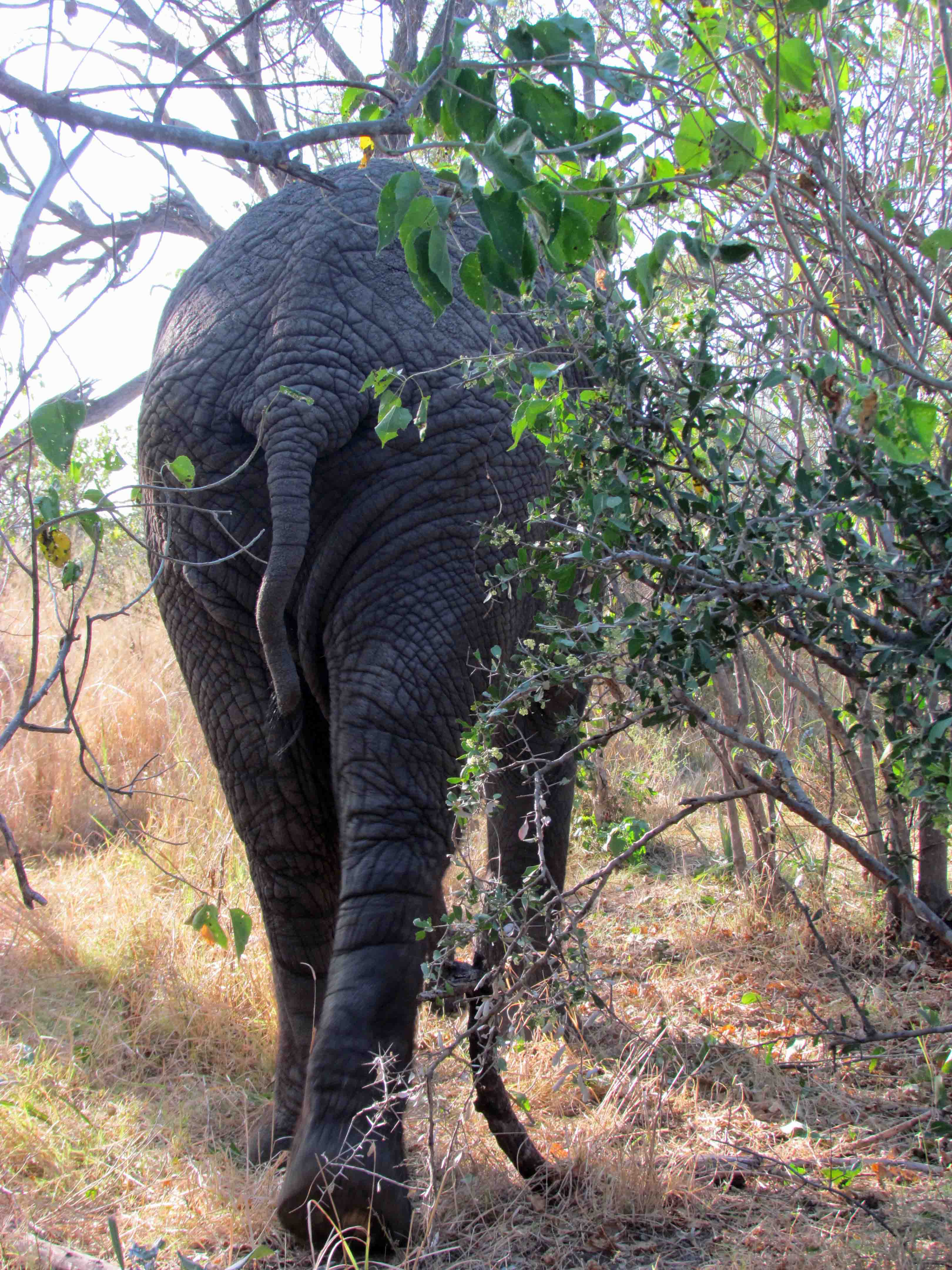
Camouflage is the art of hiding in plain sight.  Of standing perfectly still, keeping silent.  Elephants know how to do this.  It’s a necessary skill.


Posted in Africa, Elephants, Extinction, Nature, Photography

Morning in Africa: Year of the Elephant

Taking a break from the Ivory Timeline and beginning a new series to heighten awareness of how elephants live.  If poaching is not stopped, elephants will become extinct in our lifetimes.

Morning in Africa

“I never knew a morning in Africa when I woke up and was not happy.”  Earnest Hemingway

Posted in Elephants, Nature, Photography

Ivory, Part Three

An Ivory Timeline:  from the Pharaohs to the Victorians

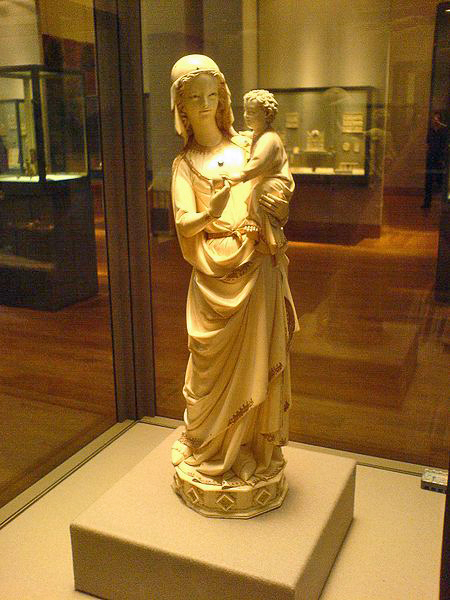
After the fall of Rome in 476 AD, Europe lost both its sources of elephant ivory and even knowledge of the animal that bore it.  But the military campaigns by the Latin Catholic Church for the control of the Holy Lands (known as the Crusades) introduced luxury goods from the East, ivory among them.  With the conquering of Jerusalem in 1099, merchants began shipping ivory from East Africa along the Red Sea and from trans-Saharan routes to the Mediterranean and on to Venice, Genoa and Marseille.   By the middle of the 13th century, a huge carving industry was based in Paris, supplying mostly religious items.  The Sainte-Chapelle Virgin (sculpted between1260 – 1270) replicates the natural curve of an elephant’s tusk in its stance.  The Virgin leans on one leg while supporting the Christ child on her opposite hip while the baby Jesus reaches out with his left hand to an apple she is holding.  Her robe is finely decorated with gold.  It was a popular sculpture in the Sainte-Chapelle church, with many imitations.

The Sante-Chapelle Virgin

After 1400, ivory began to appear in musical instruments (flutes, lutes, guitars and harpsichords) in scientific instruments (sundials, compasses and rulers) and in weaponry (matchlock inlays of nymphs and hunting scenes).  Traders swarmed the Ivory Coast (all of West Africa) the Gold Coast (Ghana) and the Slave Coast (Togo, Benin and western Nigeria).  These three main trade items – slaves, ivory and gold – made immense fortunes for the Portuguese, Spanish, Dutch, British and French.  From 1699 to 1725, in a span of only twenty-five years, a quarter million tusks left West Africa, representing the deaths of 117,500 elephants.  Each tusk was transported out of the interior on the back of a slave.

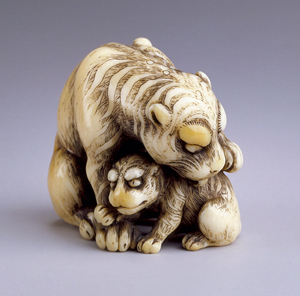
Invented in 17th century Japan, a button-like fastener called a netsuke secured cords that held small containers on the outside of traditional garments.  Originally utilitarian in design, netsuke evolved into objects of extraordinary craftsmanship, made of materials that ranged from hardwood to porcelain to ivory, and depicting subjects as diverse as animals to mythological deities.   Some netsuke pieces are highly sexual in content and some depict entire scenes from history – all on a miniature object usually no bigger than an inch long.

Netsuke Tiger & Cub
Netsuke Tiger & Cub

Although traditional netsuke production ended in the late 1800s, modern craftsman produce work that still demands high prices.  And, as in ancient times, netsuke continues to be carved from boar tusks, rhinoceros horn, hippopotamus teeth, and elephant tusks.  Unfortunately, many reproductions are mass-produced carvings sold with fake staining and cross-hatching that would be found in ancient ivory pieces.  Anyone collecting netsuke should have considerable knowledge of the subject before they spend money, even on modern boxwood netsuke.  And, as always, modern ivory carvings of any sort, unless they are made from mammoth ivory, probably originate with illegal elephant ivory.

From the 1860s to the 1880s, an estimated 100,000 elephants per year were slaughtered for the ivory trade, a total of two million elephants in twenty years, as ivory became the plastic of the Victorian Age.

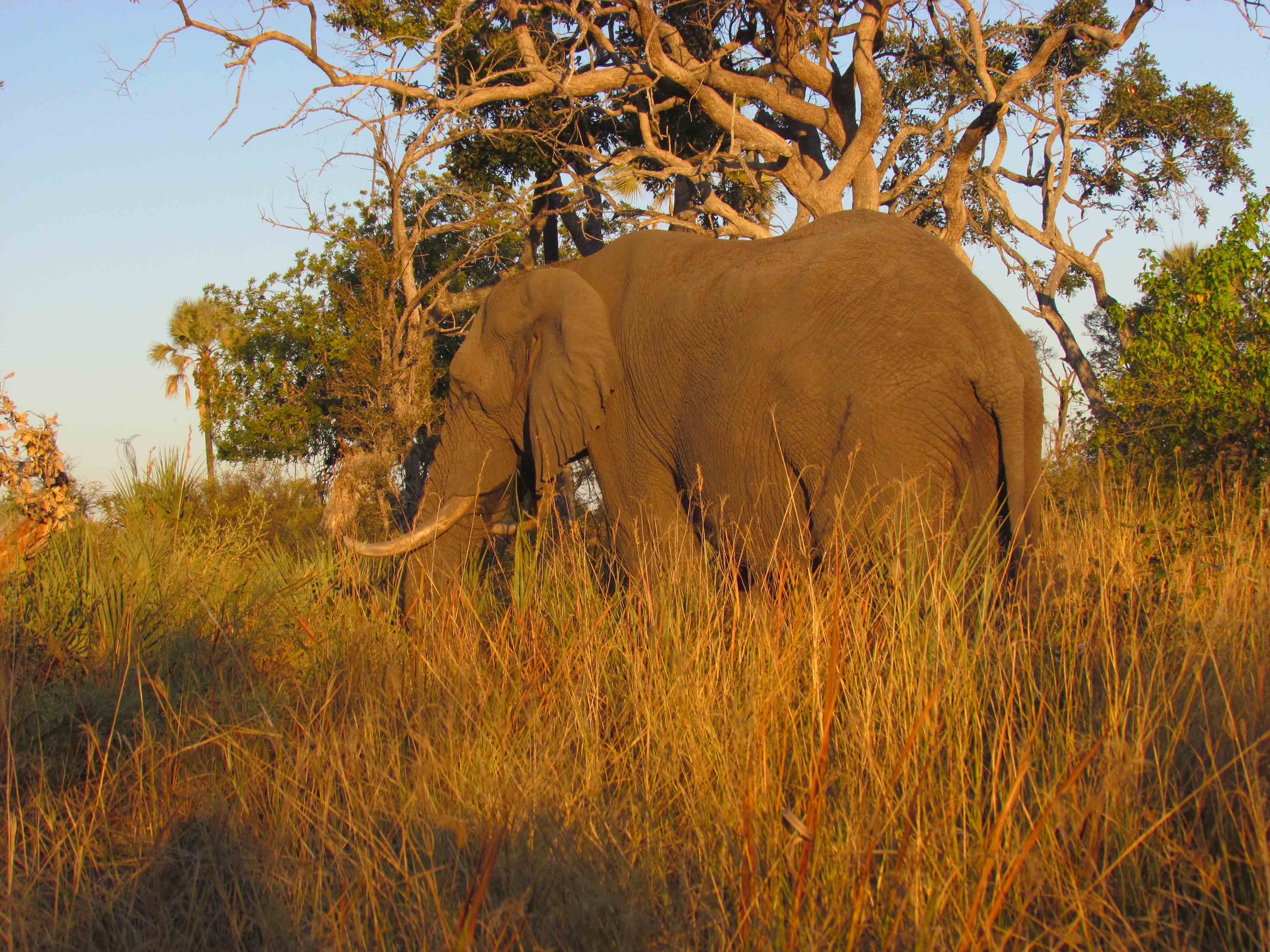
Kenyan male elephant
Posted in Nature, Photography, Writing

Ivory, Part Two

An Ivory Timeline: from Mammoths to Pharaohs

Around 40,000 years ago, someone took a fragment of a mammoth’s tusk and carved a small mammoth from it – one of the earliest known pieces of art made from ivory.  Roughly an inch high and one-and-a-half inches in length, it’s unmistakably a mammoth, complete with trunk, tail and a high domed head.  Twelve thousand years after the carving was discarded in a cave in Germany, a band of Paleolithic people dug three shallow graves into permafrost near present-day Moscow.  Thousands of tiny ivory beads adorned each skeleton, each bead laboriously made with stone tools.

The earliest carved portrait of a human face dates from around 23,000 years ago.  Discovered in a cave in France, it too was crafted from mammoth ivory.   Named the Venus of Brassempouy for the village near where it was found, the small ivory figurine has a forehead, eyes, brows, nose, but no mouth.  The top and sides of her head depict braided hair.  It was unearthed in 1894 with numerous other figurines made of stone.  Other late Stone Age “Venus” figures, with their bulging torsos and small heads devoid of detail were found in sites that range from the Pyrenees to Siberia.  Ongoing excavations and reconstructions of ivory carvings from the “Stone Age” include ivory birds, lions, horses, and several lion-headed humans, all made by stone tools.

Mammoth Skull in situ, Mammoth Museum, Hot Springs, South Dakota

At first, there was quite enough ivory simply lying around on the ground to satisfy the needs of man.  Ice Age huts discovered in the Ukraine used mammoth skulls as foundations and shoulder blades as walls.  Tusks held down hides draped over the rooflines.  One hut had 35 such weights.  The age of individual bones used in the construction of these huts spanned more than 10,000 years, an indication of the amount of ivory to be found at hand.  When new sites are found, they are collapsed inward upon themselves; shelters reduced to reliquaries of bone.

Reconstruction of a mammoth bone hut at the Mammoth Museum, Hots Springs, South Dakota

Early Egyptian pyramids had already been built before the last of the mammoths died.  As pharaohs consolidated their kingdoms, elephant ivory (the material closest to hand) was one of the valued items of tribute sent down the Nile by conquered states.  Not only did Tutankhamen have an ivory headrest in his tomb, he also had ivory statuettes of concubines to accompany him in his afterlife.  Game boards were entombed in his royal suite, to also allay boredom in eternity.  Made of solid ivory, the boards were fitted with carved-out drawers to hold gaming pieces.

Egyptians carved ivory into veneers, reliefs, statuary, jewelry, arrow points, small furniture, combs, spoons, the handles of weapons, scarabs, amulets, coffin lids, and used as inlays on toilet caskets (cosmetic boxes) containing such items as eye shadow pots, mirrors and perfume jars, some also made of ivory.   Cleopatra, who presided over the last of the Pharaonic dynasties, quite possibly participated in banquets while lying on a bronze couch inlaid with glass and ivory described as being in her palace in Alexandria.  The palace was also described as having ivory-paneled entrance halls.  Re-discovered in 2012 beneath the Mediterranean Sea, the royal quarters are relatively intact, having slid under water during cataclysmic earthquakes and tsunamis in the fourth and eighth centuries.   Excavations have just begun of its treasures.

To Egypt’s north, no one society dominated the eastern Mediterranean trade. However, around 1,000 BC, the Phoenicians, in what is now modern-day Lebanon and Syria, had an efficient maritime network that supplied King Solomon with the ivory he needed to build his ivory throne in his temple at Jerusalem.  Described in 1 Kings 10 of the Bible, it was “a great throne of ivory,” covered with the finest gold.  The throne also included rubies, sapphires, emeralds and other precious stones.

In the fifth century BC, the Greek historian Herodotus traveled to the Egyptian city of Elephantine, located at the first cataract of the Nile, and reported that elephants could still be hunted to the west, in Libya.  Also in the fifth century BC, Greeks saw the construction of two immense ivory-covered statues, one of Athena at the Parthenon and the other of Zeus, at Olympia.  Erected around 432 BC, both were made of “chryselephantine:” clothes and scepters of gold, faces, bare arms, shoulders, and torsos covered in ivory.  Zeus, sitting on his throne, was thirty-nine feet tall, the height of a four-story building.  Because ivory dries out once it is separated from the creature who bore it, Zeus and Athena were constantly anointed with olive oil, which collected into a gleaming surrounding pool.

The statue of Zeus was considered one of the seven wonders of the ancient world.  Carried off to Constantinople in 394 AD, it was destroyed by fire in 462 AD.  By the Middle Ages all chryselephantine statues had been stripped of their valuable materials and demolished.  Only the hole remains at the Parthenon that held Athena’s central wooden support.

By the third century BC, Rome replaced Greece as the center of the ancient world.  Romans used more ivory than any other civilization until the 1880s.  For their marble statues they inserted ivory into chiseled, empty eyes.  Birdcages, scroll holders, currency, cameos, candleholders, dolls, boxes, and statuettes of gladiators were all made of ivory.  Caligula built an ivory manger for his horse.  Immense consular diptychs (two ivory panels joined by a hinge) carved with the image of the governing consul served as the sign of his office.

Roman doll, Louvre, copyright Genevra Kornbluth

The Roman demand for ivory caused North Africa’s last wild elephants to vanish around the 2nd century AD, about the time that the last Mediterranean cedars and oaks were felled.

Land that once supported elephants now barely supports goats.

African elephant tusk
Posted in Africa, Elephants, Extinction, Jabu, Nature, Nonfiction, Photography, Travel, Writing

Ivory, Part One

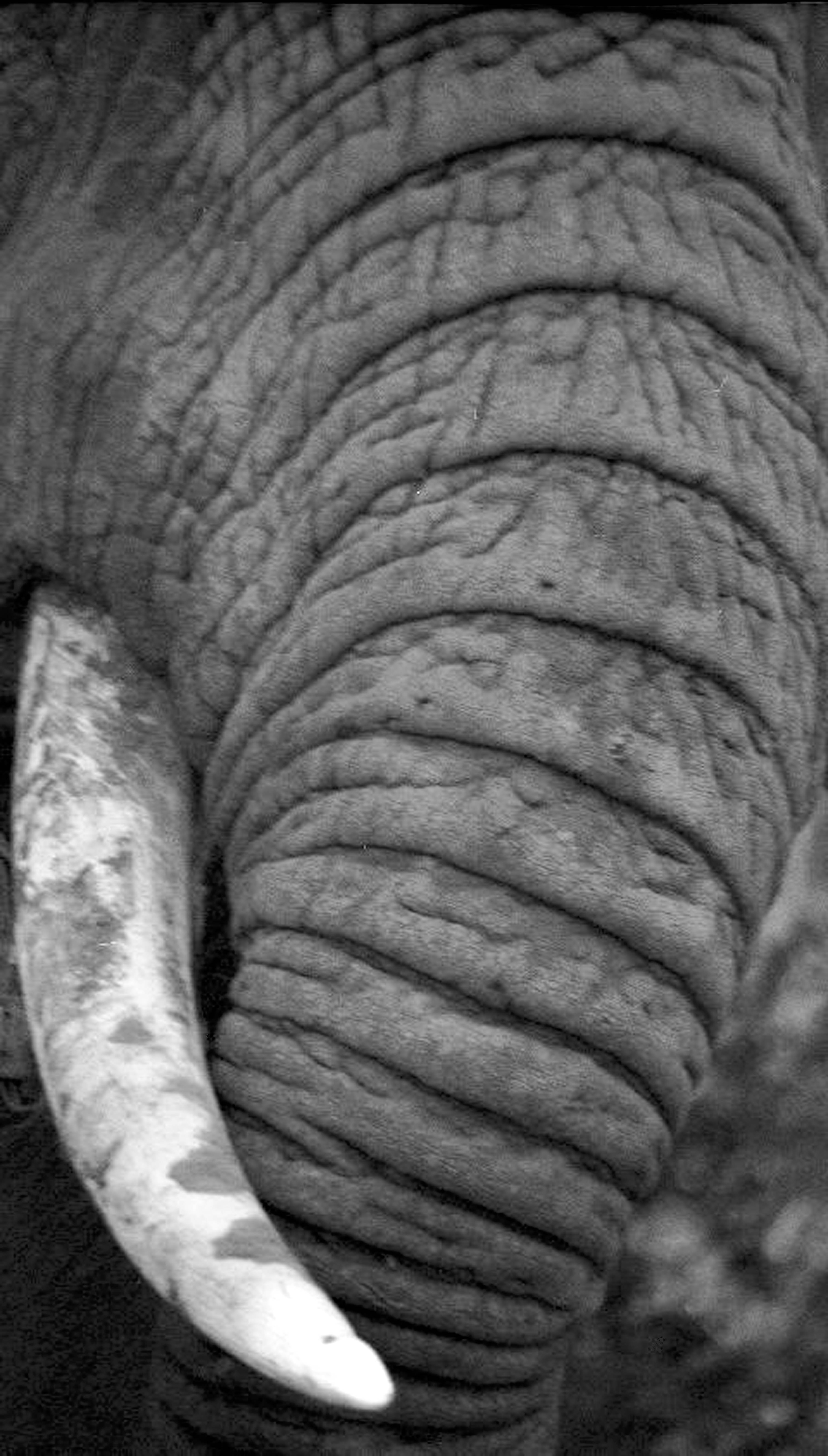
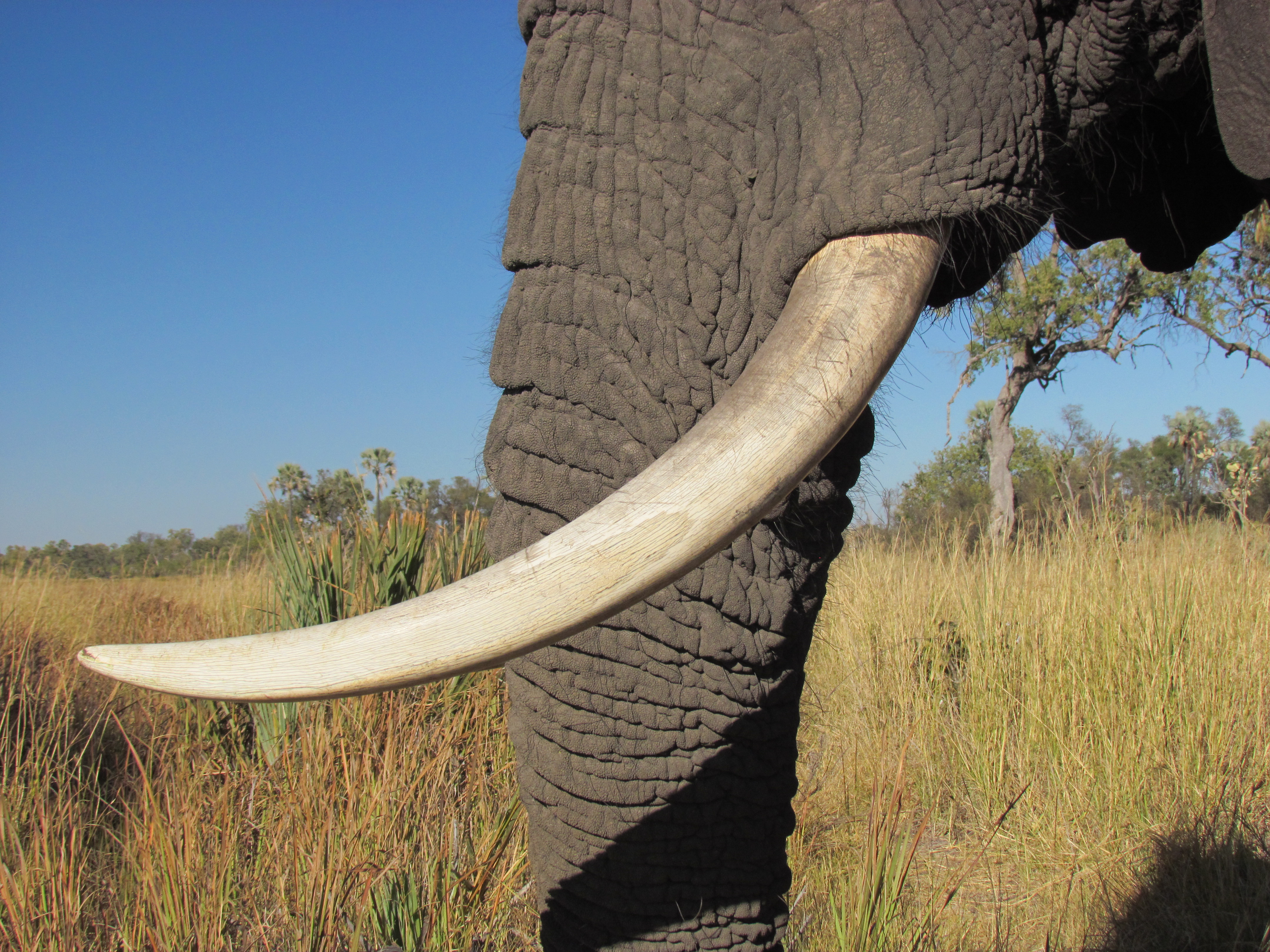
Jabu's tusk
An African elephant’s tusk

Carved ivory thrones are mentioned in the Bible.  King Solomon had one, covered with gold.  Tutankhamen’s casket had a carved ivory headrest for his pillow.  Cicero wrote of Roman houses where ivory doors opened onto entire rooms covered with ivory tiles.  Gladiators had chariots made of ivory.

In the 1800s, in Africa, ton after ton of tusks were transported thousands of miles to Zanzibar and Khartoum, carried on the backs of slaves.  By the 1980s, more than 300 elephants a day were slaughtered for their ivory, nearly 100,000 per year.

In Amboseli National Park, in Tanzania, a recessive gene is becoming dominant, occurring in 50 years instead of thousands, selected by poachers.

Year after year tuskless elephants are born.

Both male and female African elephants grow tusks – the largest upper incisors on this planet.  Tusks are defined as long teeth protruding beyond the mouth growing usually, but not always, in pairs.  Most tusks are enlarged canines, such as those of warthogs, wild boars, hippopotamus and walruses.  Enlarged canines in the myriad species of cats and dogs are called fangs.

Elephants and narwhal whales have incisor tusks.  The narwhal’s single tusk is a left front incisor that grows in a straight spiral.  Found mostly in males, narwhal tusks are believed to be the origin of unicorn legends.  Oddly enough, narwhals with two tusks are usually female.

By the time Jabu is sixty, his tusks could theoretically reach a length of 18 to 20 feet.  But in reality – if he does reach sixty – they will be much shorter, due to the wear and tear of everyday use.

Tusks on bull elephants can weigh seven times that of those on cows.  The biggest pair of tusks on record weighed 460 pounds, taken from an old bull killed in 1897 near Mount Kilimanjaro in Kenya.

The longest tusks ever found came from an elephant shot in the Congo in 1907.  Its right tusk was 11.4 feet long; it’s left tusk 11 feet.

Such extraordinarily enormous tusks are a genetic trait, much the same as red hair is a genetic trait.  Over the centuries poachers and hunters have always targeted male elephants with the largest tusks.  As a result, the trait has disappeared from most elephant populations.

The same outcome would occur if redheads were systematically eliminated within family groups.   As their genes died out, the redheads among us would become extinct.