Posted in Bees, Nature, Nonfiction, Writing

The Foreign Language of Color

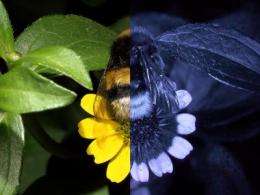
photo by Klaus Schmitt, for the Floral Reflectance Database, Univ. of London

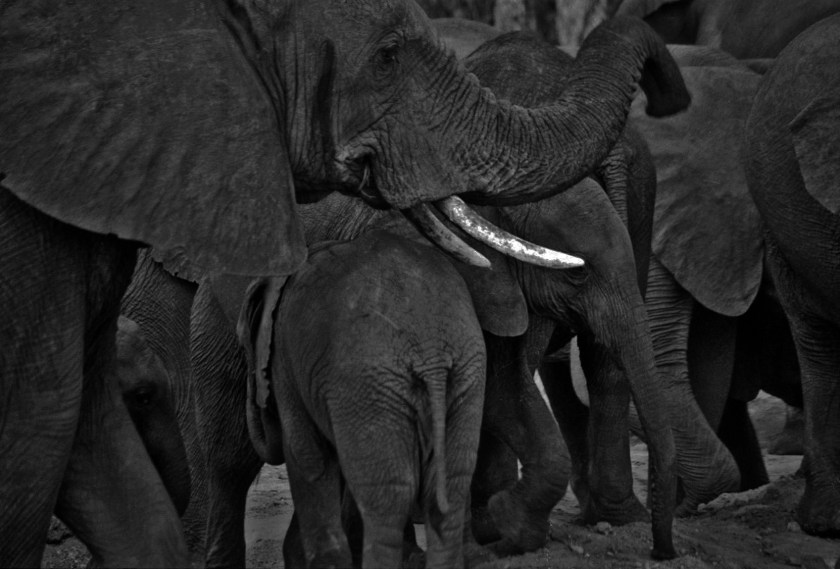
Every color I see is really a color rejected. Elephants are gray because gray is the color of the wavelengths of light reflected from the surface of their skins. Blue jays are blue and daffodils are yellow for the same reason. It’s possible for our eyes to gorge on a thousand or more different color combinations – tints of turquoise, hues of hyacinth, shades of sapphire. For proof, simply go to the nearest paint store.

But the colors I see are not the colors seen by elephants or by snakes or by insects or by cats and dogs. Many scientists after many experiments believe that cats and dogs do not see colors well, but that birds do, and that the colors of their feathers have a lot to do with either camouflage or sexy come-ons. I believe the scientists are right. Otherwise we would endure male dogs with tails like peacocks and female cats with hind ends as red and swollen as baboons.

The colors I see, and the subtle natural variations of them, were of considerable advantage to my ancestors, foraging primates swinging down from the trees into the lion-colored grass. Colors indicated ripe fruit; motion and patterns the difference between zebras and leopards.

To honeybees, the world as I see it moves like molasses. Each eye of the honeybee contains nearly 7000 lenses, 7000 pinpoint openings for light, giving it composite images shaped somewhat like snow globes. Homing in on flowers at 300 images per second, (vs. 60 for humans) bees zoom about in fast-forward, so they can make all those in-flight adjustments to the slightest change of wind, grasp all those swollen bodies of pollen.

Like us, honeybees have three photoreceptors in their eyes. Where we see blue, green, and red, bees perceive blue, green and ultraviolet, combined into colors entirely different from those we see. Ultraviolet patterns on flowers are invisible to us, but to bees those patterns announce seductive landing zones.

It’s been long speculated that creatures with compound eyes see far less efficiently than we do. But seeing is in the eye of the beholder, in the language of colors available to read. Where I might not even notice a certain flower a besotted bee ogles an orgy of ultraviolet ravishment, an irresistible, come-hither promise of pollen and nectar.

I want the language of bees in my head, to see the world differently when I write. I want my words to unfold like time-lapsed flowers, petal pushing against petal, blooming in foreign color combinations, perennial, glorious, sexy, irresistible. I want you to stick your nose inside my flowers, waggling and buzzing. I want you to come away pollinated.
Posted in Africa, Air, Atmosphere, earth at night, Nature, Nonfiction, Photography, Travel, Writing

Nightfall


photograph by Cheryl Merrill


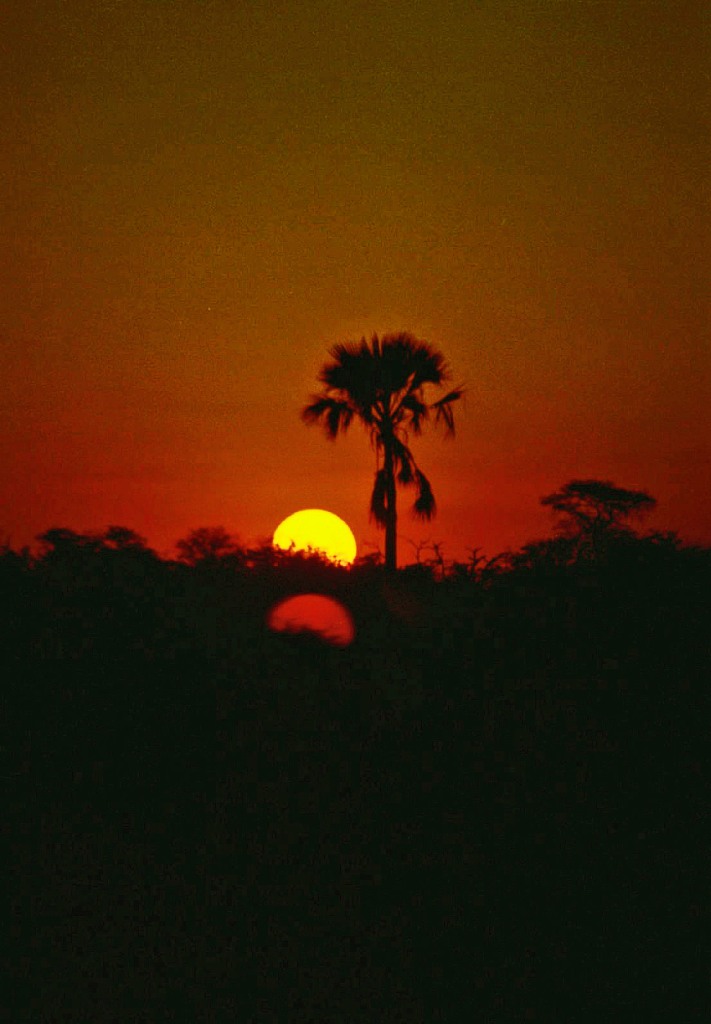
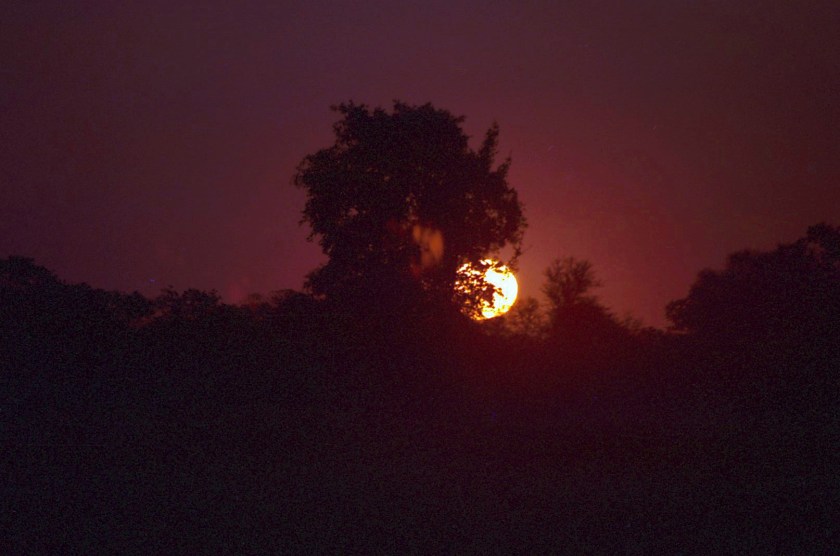
Melting from yellow to orange the swirled, stained-glass sun hangs round and unfastened, rolling down a line of bush. The last hot breath of the day exhales and in a single moment the sun drops and is gone.

A lemon sky turns violet. Moisture thickens as plants exhale and shadows deepen. As light fades, smells condense – the cold iron of stars, the ancient, clean smell of cold sand under my feet, sage on my fingertips, smoke in my hair.

Palm trees fan black silhouettes against the stars.

I look up at a sky filled with diamonds where the giant, gem-studded belt of the Milky Way girdles the full belly of the night. By its light alone I pick my way to my tent.

The moon sails west, round and immense, shining a clean, pure light that has a whiff of blue about it. The brush is full of crickets, each one singing in a different rhythm. I hear a few individuals among the many – soloists. I hear collective phrasing – the choir. And right before I sleep I hear them singing even more loudly to the sizzling stars.


Posted in Africa, Birds, Nature, Nonfiction, Photography, Travel, Writing

Camp Staff

photograph by Cheryl Merrill


I turn my head toward the sun’s white-hot eye. Behind my closed eyelids burn a thousand childish sketches of red suns. I hear one of the regular camp staff scratching around my feet for crumbs: a Red-billed Francolin, who believes his territory includes the kitchen shelter and its surroundings. The color of his legs, feet and bill match, but they look more orange than red to me. He’s plump as a pillow, with a bright yellow circle around each eye – but woe to any other francolin who trespasses. The resulting chases are explosive, noisy, and continue until he’s satisfied the intruder is back in the bush where he belongs. Male francolins have spurs on their legs, and they don’t hesitate to use them in fights. When he’s this close I can see the tiny black claws at the end of his toes, and hear his soft chuckles when he finds another crumb.

Posted in earth at night, Nature, Nonfiction, Old Stories, Photography, Writing

Old Stories

photograph by Cheryl Merrill

We tell old stories in order to see anew. All of us take the same journey from life to death, though our paths are never the same. We begin as an explosion of infinite possibilities and then, for the rest of our lives, fall back upon ourselves, grabbing at some of those possibilities during our fall. Our trajectory, which touched the very rim of life, descends toward the center, ending at zero, at what some see as a portal and others see as finality. Falling, always falling towards the center of ourselves, the huge unknown universe within, our journeys are all the same.

Posted in Africa, Nature, Nonfiction, Photography

A Bucket Shower

photograph by Cheryl Merrill


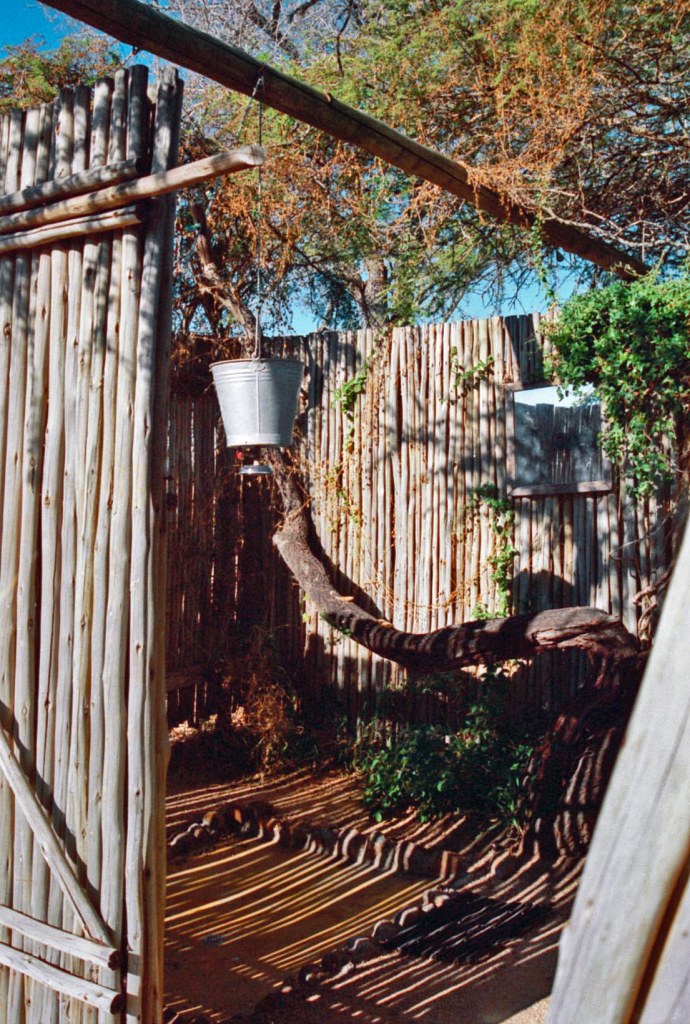
A metal pail hangs over my head, fixed by a rope and pulley to the limb of a tree.  The bottom of the pail has a showerhead with a spigot to control water flow.  I stand on sand within a rectangle of stones while a loose, slat-sided fence protects my modesty.  Vines climb up and around and through the slats.  Sunlight filters through the overhanging tree while the sky above it snaps blue, blue, blue with the upbeat tempo of a jazzy song.

Naked, my skin softens as buttery light melts into my pores. Naked, I create my own breezes as I wash. Naked, I smell saltish, metallic, as if newly risen from the sea. Naked, I am clothed in myself.

Cool water the color of weak tea trickles down my neck and across the landscape of my body. Each sluice takes a different path: one rivulet down an arm, another makes it all the way to my ankle. The water becomes darker and turns into rivers full of dust as it washes away islands of soap. A small puddle gathers around my feet and sinks immediately into the sand.

As I dry off insect noise boils shrill as a teapot.  I dress and step around the edge of the fence.

The afternoon hunkers down and sits on its heels – occasionally fanning itself with a short breeze,perfumed with the faint scent of hot, dry wood.  Faint whisperings rustle through the grass, prayers for rain.  If there were clouds I would lie on my back and watch them.

I sip hot oxygen in tiny gulps, panting.

Life, perishable life, rests in the shade, its thin legs tucked under, safe for the moment, waiting, even-eyed, for the predators of the dark to awaken.

Posted in Air, Atmosphere, Earth, Nature, Nonfiction

An Ocean of Air

NASA Photograph
NASA Photograph


I inhale. Exhale.

Ah, essential air. Rare air. Barely there air.

The first and last thing I will ever know.

Air may be light, but it is not empty. Even the cleanest air is filled with microscopic organisms: bacteria, viruses, spores, fungi, rusts, molds, yeasts, amoebae and pollen. Twenty-five million tons of air fill every square mile on this planet. Your average lungful of clean air contains about 200,000 particles; on any given day in the most polluted cities of the world, the count may be as high as 375 million.

The sky that begins miles above my head reaches its fingers all the way down past the roots of grass and into the earth. Molecule by molecule, oxygen, nitrogen and hydrogen sift into the smallest spaces, into the burrows of snakes and earthworms, into the spaces between grains of sand.

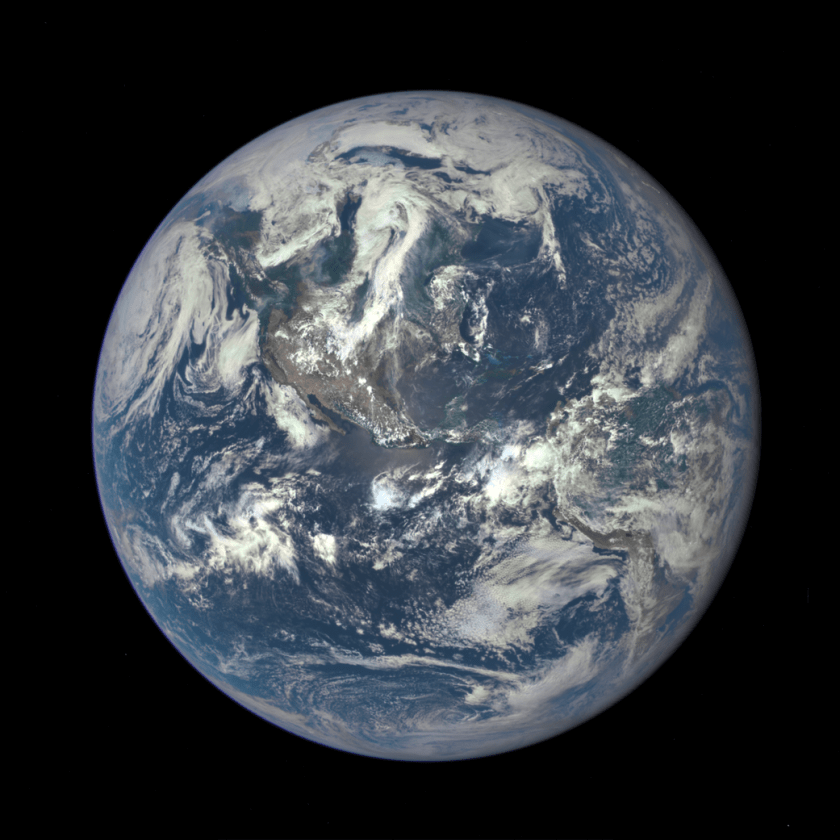
Eighty percent of the atmosphere huddles within ten miles of the earth’s surface. If the earth were the size of an apple, the air around it would be a single layer of wax. That thin skin of sky, a biofilm just fifteen miles thick, that ocean of air, holds most of the earth’s weather and most of earth’s water – just enough of both to protect us from the lethal vacuum of the universe.

The earth is our space suit. Think about that each time you breathe.

Posted in Africa, Elephants, Nature, Nonfiction, Photography, Travel, Writing

Drinking It In

Photograph by Cheryl Merrill


Not far from here jungles of papyrus lean their feathery seed heads over the clear blue channels of the Okavango River, tall stands of reeds that line the permanent footprint of the Delta. The river is inching southward, breaking the boundary between water and desert. Soon it will flush this lagoon, scouring out the sweet muck at its bottom to spread among grassy floodplains.

With the river will come crocodiles and hippos and other denizens of its deep, running water. When the river reaches this part of the Delta, a new population of birds will arrive with it: Wattled cranes, Egyptian geese, Reed cormorants, Darters, Avocets, Black crakes, Red-knobbed coots, Sacred ibis, Hamerkops, Fish eagles, and Saddle-bill storks.

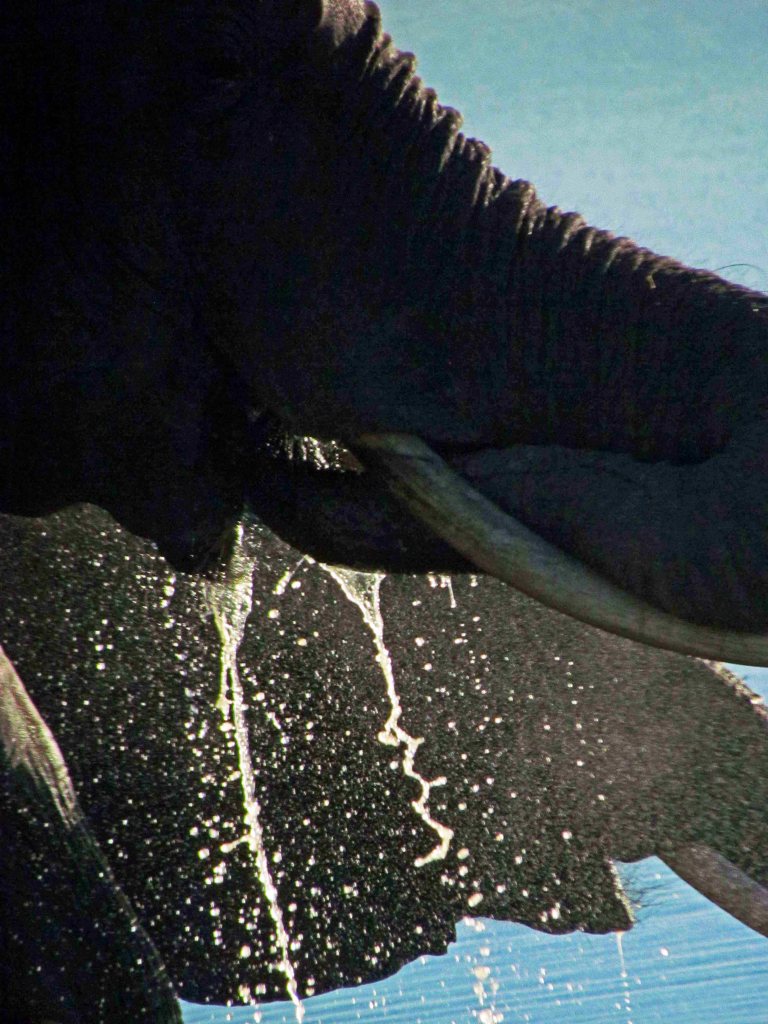
Standing shoulder to shoulder on a mat of trampled reeds, two elephants blow a concert of bubbles, bassoons under water. They shower their spines, poke their trunks into the back of their throats and release gallons of water at a time. Corkscrew spirals spill from their mouths, patter like rain on the surface of the lagoon. Sky-blue ripples spread from one edge to another, bounce back images of a thousand suns.

Believe me: you could spend the rest of your life watching this.


Posted in Africa, Elephants, Nature, Nonfiction, Photography, Travel

The Sound of Water

photograph by Cheryl Merrill

The sound of water splashing draws us away from camp. We leave behind dinner preparations and walk out into the sunset, our feet soft in the sand. My boots kick up dust the color and texture of crumbled parchment.

Musty, bacterial, moist as a swamp cooler, the evening air condenses into cold pools. Shreds of scent blossom. I inhale freshened earth, the damp beginnings of night.

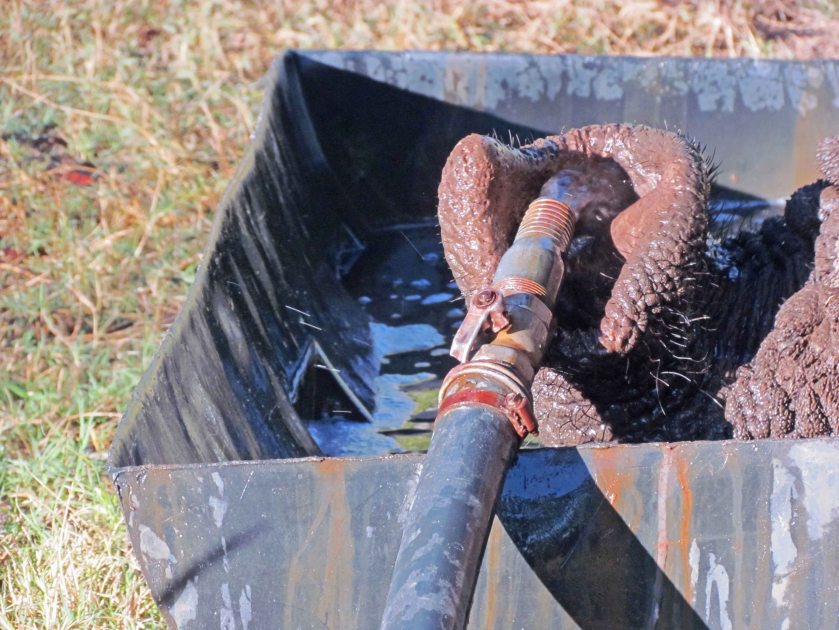
We find the elephants in a lengthening night shadow, drinking from a metal trough. Trunks curled, heads tipped back, eyes closed – they siphon water from the trough into their mouths. The sound they make as they siphon mimics the sound of rain in gutters, only the water is going up, not down.

Three elephant trunks reach toward us, sniffing the shadowed, violet air. Jabu thonks the end of his trunk against the ground, as if testing a cantaloupe for ripeness. Then he places the tip of his trunk directly under the hose gushing into the trough. Thembi curls her trunk tight enough to be nearly round, like a tire. Morula waves a medium-sized Hello.

The honey-colored evening deepens to gold, then orange, shot through with veins of red, a saffron sunset. The elephants become a shade of rusty rose.

On our walk back to camp the last of the sun catches the top of a fan palm as the purple shadow of the earth spreads across the sky. The rim of the earth becomes the rim of the moon as it rises.

Posted in Africa, earth at night, Elephants, Nature, Nonfiction, Photography

The Soft Machine

photograph by Cheryl Merrill

I dream of elephants. They stand around me in my sleep. Surrounded by legs, by their great gray columns, I feel them sway, hear their deep long breaths. A light tap from a trunk reassures me, reminds me of who is here and where we are, all of us dreaming together.

Night’s curtain pulls back as earth rolls out of darkness and into dawn. Black becomes purple becomes blue. The person I was in my dreams vanishes. Reluctantly, reluctantly, I step out into a new day, but my watch is unreliable now. It’s my heartbeat that I listen to, an echo from that soft machine that pumps on.

Posted in Africa, Elephants, Nature, Nonfiction, Photography, Travel, Writing

Like an Old, Old Photograph

photograph by Cheryl Merrill

an excerpt from my book:

The elephants cross a dry lagoon abandoned by the Okavango River after last year’s flood. Enticed by a nearby tidbit, Thembi stops, sniffs at a bush willow, and daintily picks a single leaf to taste-test it. Morula and Jabu join in, not so daintily, ripping entire branches from the bush. Deft as magicians, they use the tips of their trunks to strip the soft leaves, as if conjuring playing cards from a stacked deck.

Jabu crams a wad of leaves into his mouth. He drags one foot and stirs up a gauzy curtain of powdered insects, ash, crumbled grass and dust. From his belly up, Jabu is all the colors of mud; from his belly down, seen through the dust, he’s a bit hazier, like an old, old photograph.