Air may be light, but it is not empty. Even the cleanest air is filled with microscopic organisms: bacteria, viruses, spores, fungi, rusts, molds, yeasts, amoebae and pollen. Twenty-five million tons of air fill every square mile on this planet. Your average lungful of clean air contains about 200,000 particles; on any given day in the most polluted cities of the world, the count may be as high as 375 million.
The sky that begins miles above my head reaches its fingers all the way down past the roots of grass and into the earth. Molecule by molecule, oxygen, nitrogen and hydrogen sift into the smallest spaces, into the burrows of snakes and earthworms, into the spaces between grains of sand.
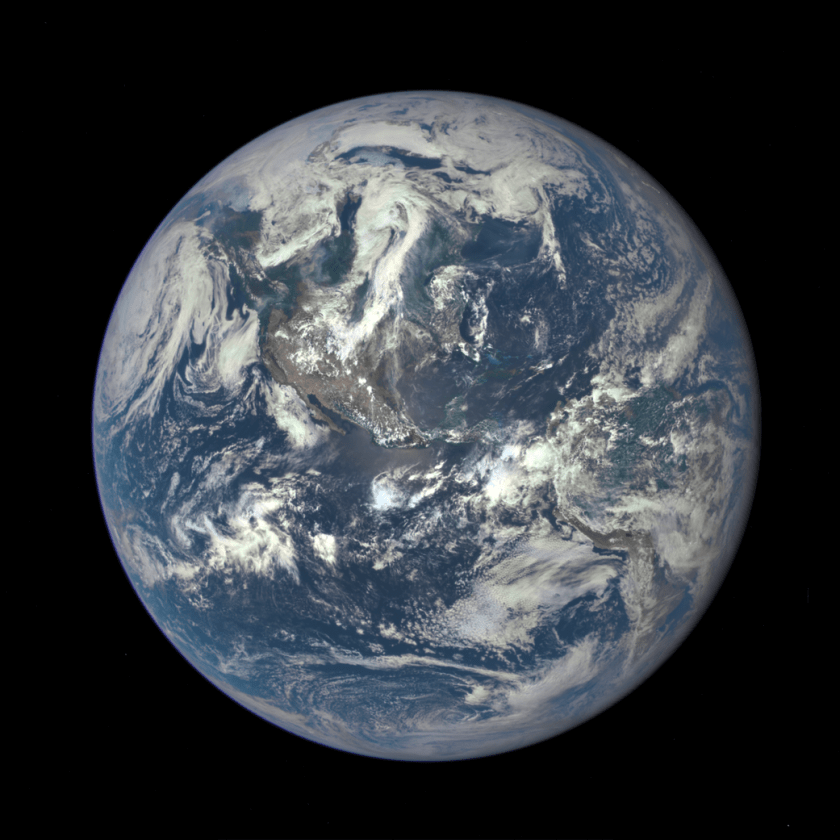
Eighty percent of the atmosphere huddles within ten miles of the earth’s surface. If the earth were the size of an apple, the air around it would be a single layer of wax. That thin skin of sky, a biofilm just fifteen miles thick, that ocean of air, holds most of the earth’s weather and most of earth’s water – just enough of both to protect us from the lethal vacuum of the universe.
The earth is our space suit. Think about that each time you breathe.
Not far from here jungles of papyrus lean their feathery seed heads over the clear blue channels of the Okavango River, tall stands of reeds that line the permanent footprint of the Delta. The river is inching southward, breaking the boundary between water and desert. Soon it will flush this lagoon, scouring out the sweet muck at its bottom to spread among grassy floodplains.
With the river will come crocodiles and hippos and other denizens of its deep, running water. When the river reaches this part of the Delta, a new population of birds will arrive with it: Wattled cranes, Egyptian geese, Reed cormorants, Darters, Avocets, Black crakes, Red-knobbed coots, Sacred ibis, Hamerkops, Fish eagles, and Saddle-bill storks.
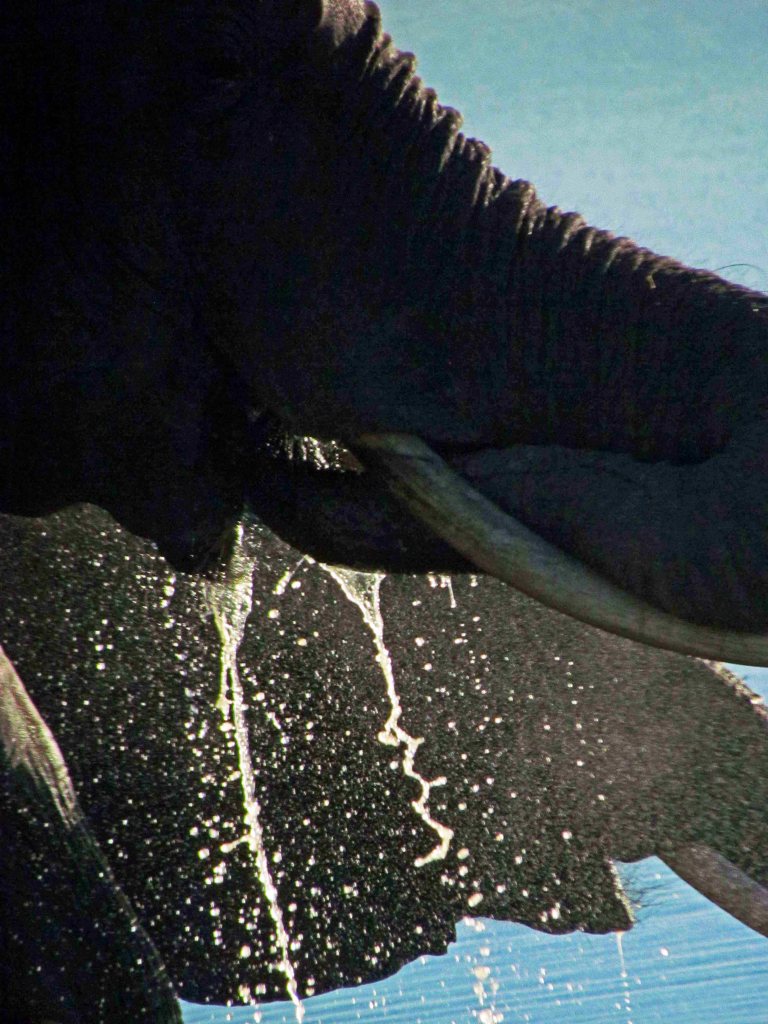
Standing shoulder to shoulder on a mat of trampled reeds, two elephants blow a concert of bubbles, bassoons under water. They shower their spines, poke their trunks into the back of their throats and release gallons of water at a time. Corkscrew spirals spill from their mouths, patter like rain on the surface of the lagoon. Sky-blue ripples spread from one edge to another, bounce back images of a thousand suns.
Believe me: you could spend the rest of your life watching this.
The sound of water splashing draws us away from camp. We leave behind dinner preparations and walk out into the sunset, our feet soft in the sand. My boots kick up dust the color and texture of crumbled parchment.
Musty, bacterial, moist as a swamp cooler, the evening air condenses into cold pools. Shreds of scent blossom. I inhale freshened earth, the damp beginnings of night.
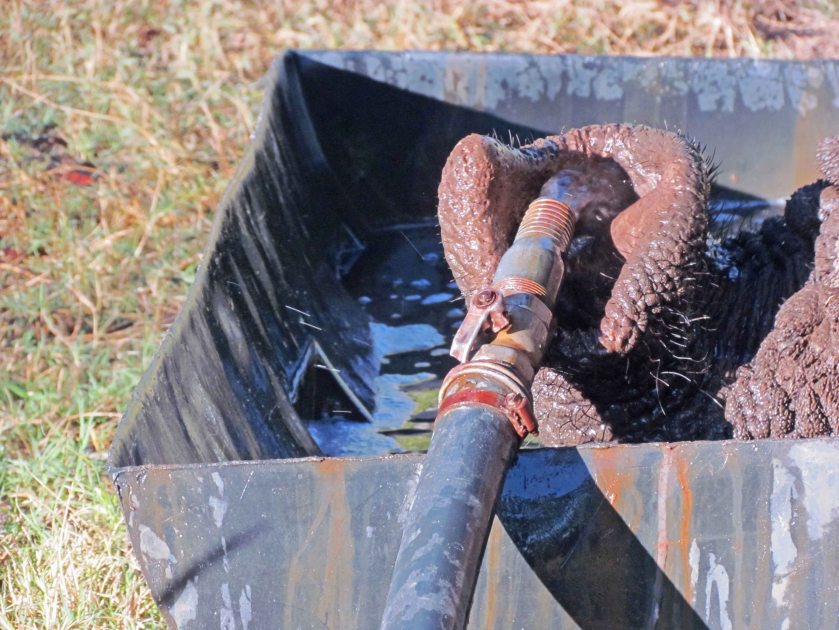
We find the elephants in a lengthening night shadow, drinking from a metal trough. Trunks curled, heads tipped back, eyes closed – they siphon water from the trough into their mouths. The sound they make as they siphon mimics the sound of rain in gutters, only the water is going up, not down.
Three elephant trunks reach toward us, sniffing the shadowed, violet air. Jabu thonks the end of his trunk against the ground, as if testing a cantaloupe for ripeness. Then he places the tip of his trunk directly under the hose gushing into the trough. Thembi curls her trunk tight enough to be nearly round, like a tire. Morula waves a medium-sized Hello.
The honey-colored evening deepens to gold, then orange, shot through with veins of red, a saffron sunset. The elephants become a shade of rusty rose.
On our walk back to camp the last of the sun catches the top of a fan palm as the purple shadow of the earth spreads across the sky. The rim of the earth becomes the rim of the moon as it rises.
I dream of elephants. They stand around me in my sleep. Surrounded by legs, by their great gray columns, I feel them sway, hear their deep long breaths. A light tap from a trunk reassures me, reminds me of who is here and where we are, all of us dreaming together.
Night’s curtain pulls back as earth rolls out of darkness and into dawn. Black becomes purple becomes blue. The person I was in my dreams vanishes. Reluctantly, reluctantly, I step out into a new day, but my watch is unreliable now. It’s my heartbeat that I listen to, an echo from that soft machine that pumps on.
The elephants cross a dry lagoon abandoned by the Okavango River after last year’s flood. Enticed by a nearby tidbit, Thembi stops, sniffs at a bush willow, and daintily picks a single leaf to taste-test it. Morula and Jabu join in, not so daintily, ripping entire branches from the bush. Deft as magicians, they use the tips of their trunks to strip the soft leaves, as if conjuring playing cards from a stacked deck.
Jabu crams a wad of leaves into his mouth. He drags one foot and stirs up a gauzy curtain of powdered insects, ash, crumbled grass and dust. From his belly up, Jabu is all the colors of mud; from his belly down, seen through the dust, he’s a bit hazier, like an old, old photograph.
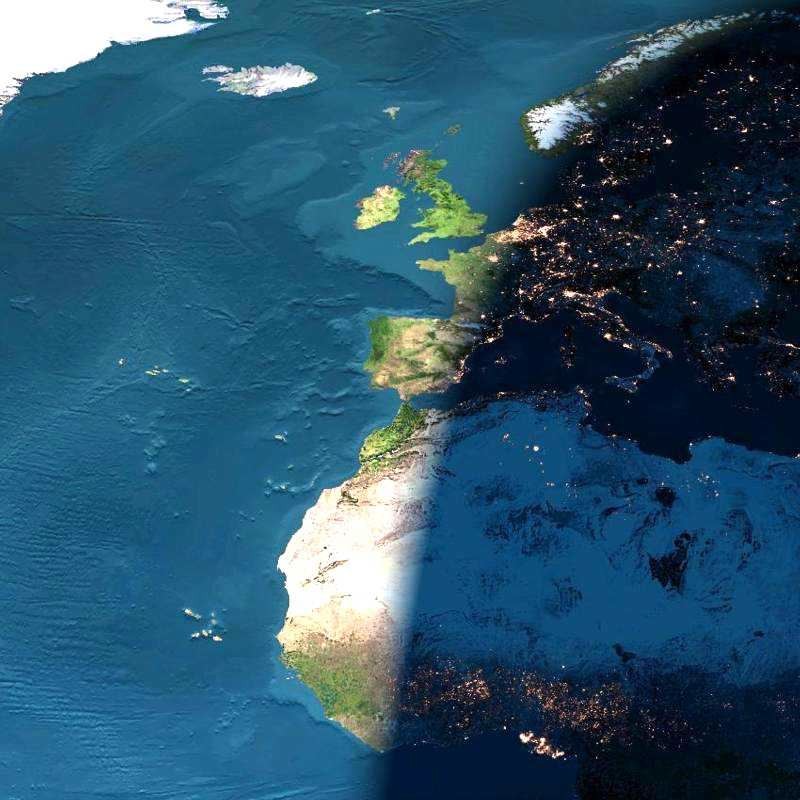
Behind the earth is its shadow, darkened air created when the body of the earth blocks the sun. Behind the earth is its shadow, the one we call night.
Earth rolls into darkness at one thousand miles an hour at the equator, zero miles an hour at the poles – where darkness is caused by tilt rather than rotation.
As the world of light is eclipsed by night, a soft black shroud sops the last light from the shadow’s rim. Colors fade. Green and white become teal blue, deepen to steel blue, to blue black, to black. Lights appear, the human web spun over the earth. Deserts and snow-covered landmasses are the only parts of the earth illuminated solely by moonlight. The Sahara sleeps alone.
Chai died yesterday, less than a year after being moved to the Oklahoma zoo from the Woodland Park Zoo in Seattle, Washington. This excerpt from my book is a memorial in words of her life:
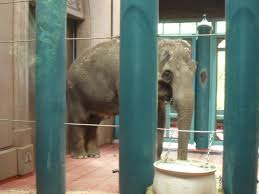
In the spring of 1996, right before my first trip to Africa, I met a female Asian elephant named Chai at the Woodland Park Zoo in Seattle, Washington. I participated in a “behind-the-scenes” tour – allowed into the elephant enclosure, but safely separated from the elephants by strong metal bars. One by one, the elephants were brought forward by their handler and we fed them carrots.
Chai was carefully interested in my sister’s leather coat, gently squeezing it at the shoulder, inhaling each square inch. I saw her mind at work: What animal is this? My brother-in-law, who is huge by human standards, was especially fascinating in leather. Sniff. Squeeze. And who are you?
Trunk-length from an elephant for the very first time, I was mesmerized by the meditative intelligence in her eyes.
She was close enough she could hear our hearts beat, a frequency audible to elephants. Her large ears flared, listening not to the wind that blew from our mouths, but to the music of our bodies. She rumbled.
We hummed back at her, sang a low, wordless song, my brother-in-law’s voice deep and loud. She was mesmerized, motionless, trying to understand our oscillating meaning. Then the air around us condensed, washed over us in waves. The sounds of an unknown world pulsated just below our range of hearing.
She stretched her trunk to accept a carrot we offered, stuffed it into her cheeks and then slowly reached out for another. When her cheeks were as full as a chipmunk’s, her handler said, “Okay, that’s enough,” and tapped her with an ankus, an elephant hook, alternately above each knee. She backed up as slowly as she had taken carrots, swinging her head from side to side.
In 1980, when Chai was only a year old and not yet weaned, she was separated from her mother and flown to Seattle by Thai Airways to commemorate the delivery of the first Boeing 747 to Thailand. Only sixteen when I met her, at the age of eighteen she was shipped to Missouri to be bred to a bull named Onyx. By then several artificial insemination attempts had already failed to impregnate her.
After three days and 2,1000 miles in a truck, Chai arrived at the Dickerson Park Zoo. On the third day after her arrival, the Dickerson Zoo’s staff beat her for two-and-a-half hours because she would not respond to their commands. (The zoo was later fined $5000.) Chai lost 1,000 pounds during the twelve months she was in Missouri.
Finally pregnant, she was trucked back to Seattle. Twenty-two months later, in 2000, she gave birth to a female calf. The naming contest for the new zoo resident gathered 16,000 entries. The Thai name selected, Hansa, means “Extreme Happiness.” Once the calf was on view attendance at the zoo doubled.
photograph by the Seattle Times
In June of 2007 Hansa died of elephant herpes – a highly communicable virus that has claimed the lives of forty percent of young Asian calves in captivity. Since then, Chai has been artificially inseminated a total of 112 times, resulting in the miscarriage of one other calf.
Day after day, from the time she was just a year old, Chai listens to hordes and choruses of unfamiliar human heartbeats. She listens to loud unknowable noises beyond her bars and moves slowly back and forth in her cage. Perhaps she mourns the loss of her Extreme Happiness. Perhaps after awhile it all blurs, like the background hum of an engine in flight.
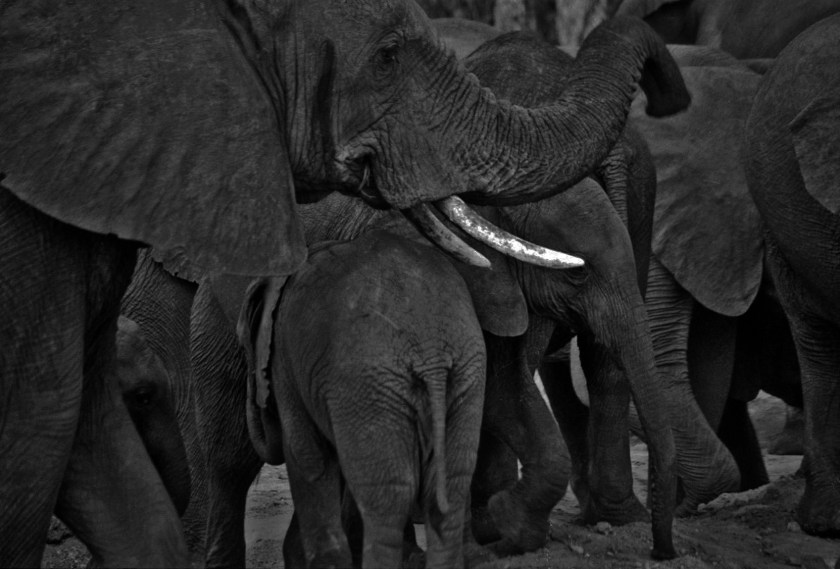
Gray wave after gray wave surges out of the bush in small herds of twenty or less, first one group, now another, flooding the huge hollow that contains a waterhole. Dust rises in the air, a potent blend of manure, dried grass and sand. The backwash swells in our direction. Soon a sea of elephants surrounds us. We’re submerged in a roiling world of noise. Snorts, grumbles, trumpets, growling bellies and gargantuan belches resound. Some of the vibrations are too low to hear, but I feel them as they pass through my body, reverberate in my chest cavity, squeeze my heart. Eye after eye inspects us as eddies of elephants swirl past. An old world laps at the foot of our memories, extinguishes centuries of communal fires. The ropes that tether us loosen. We slip away from the familiar shore and set off towards unimaginable ways of being. We look around with wild hearts. We have become part of the herd.
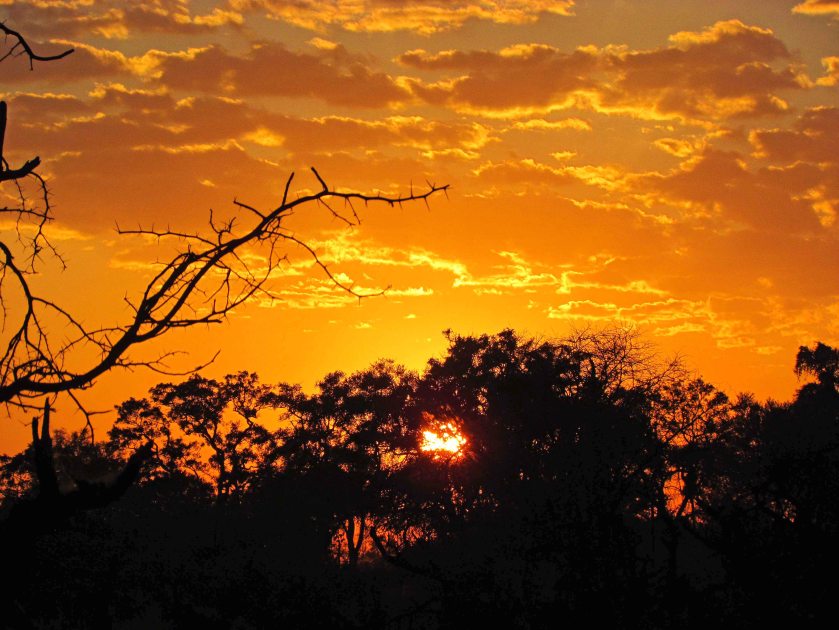
The sky turns orange and the clouds turn yellow. Sunsets like this one have hung in galleries for centuries. A slight breeze rises – the lungs of the earth inhaling warmth, exhaling coolness. The breeze brings a faintly watery smell, even though the sun still warms the tops of trees. Beneath the trees, in cool green-black shadows, night begins, spreading a transitory stillness that will soon fill with the Invisibles – hyenas, leopards, lions – beginning their nightly rounds.
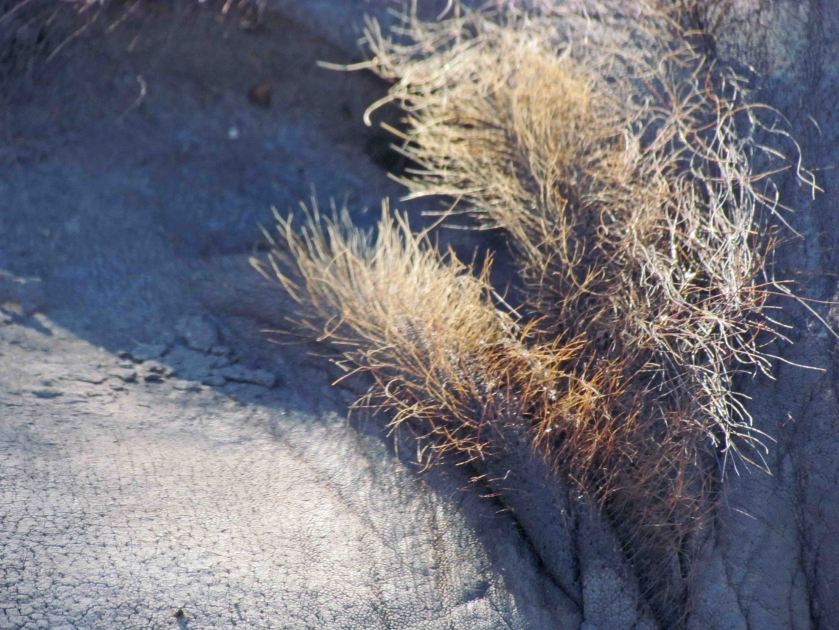
Morula’s luxuriant ear hair catches the sunlight. Flakes of mud cake the opening of her ear.
Just as in humans, an elephant’s ear hair grows longer and longer throughout its life. Hers is cinnamon-colored, has black roots, and is six inches long. It reminds me of the color of a lion’s mane.
When I reach up, the patch of hair feels like the underbelly of a longhaired cat.





 ABOUT ELEPHANTS